

Clerkenwell Design Week has long been a barometer of contemporary urban living. Set within London’s historic EC1 district—home to more creative businesses and architects per square mile than anywhere else in the United Kingdom—the festival offers a compelling lens through which to observe the evolution of small apartment design. In recent editions, the spotlight has turned decisively toward compact living solutions that address the realities of dense global cities while preserving elegance, comfort, and architectural integrity.
For international architects, interior designers, and luxury real estate developers, Clerkenwell Design Week is not merely a trade fair; it is an intellectual forum where craftsmanship meets innovation. As urban populations rise and prime property footprints shrink from London to New York, Milan to Singapore, the art of living beautifully within limited square meters has become both a creative challenge and a cultural statement.
The Urban Imperative: Why Compact Living Is Redefining Luxury
The global shift toward metropolitan density has redefined spatial expectations. According to research by the United Nations Department of Economic and Social Affairs, nearly 70% of the world’s population will reside in urban areas by 2050. For designers and developers, this trajectory demands sophisticated compact living solutions that reconcile scarcity of space with abundance of experience.
Within this context, small apartment design is no longer synonymous with compromise. Instead, it has become a laboratory for ingenuity—where every millimeter is intentional, every joinery detail considered, and every material layered with purpose.
At Clerkenwell Design Week, exhibitors consistently demonstrate that spatial constraint can catalyze innovation. The most compelling installations reveal apartments conceived as fluid ecosystems rather than static rooms—spaces that expand, contract, and transform throughout the day.
Clerkenwell Design Week as a Global Design Laboratory
What distinguishes Clerkenwell Design Week from other international fairs is its immersive urban setting. Showrooms, historic buildings, and temporary pavilions collectively create a living city-scale exhibition. Within this dynamic framework, compact living solutions are tested against real architectural contexts—Victorian warehouses, Georgian terraces, and contemporary loft conversions.
For professionals in luxury real estate, the festival offers actionable insight into how small apartment design can increase property value through adaptability and craftsmanship rather than square footage alone.
The Rise of Transformable Architecture
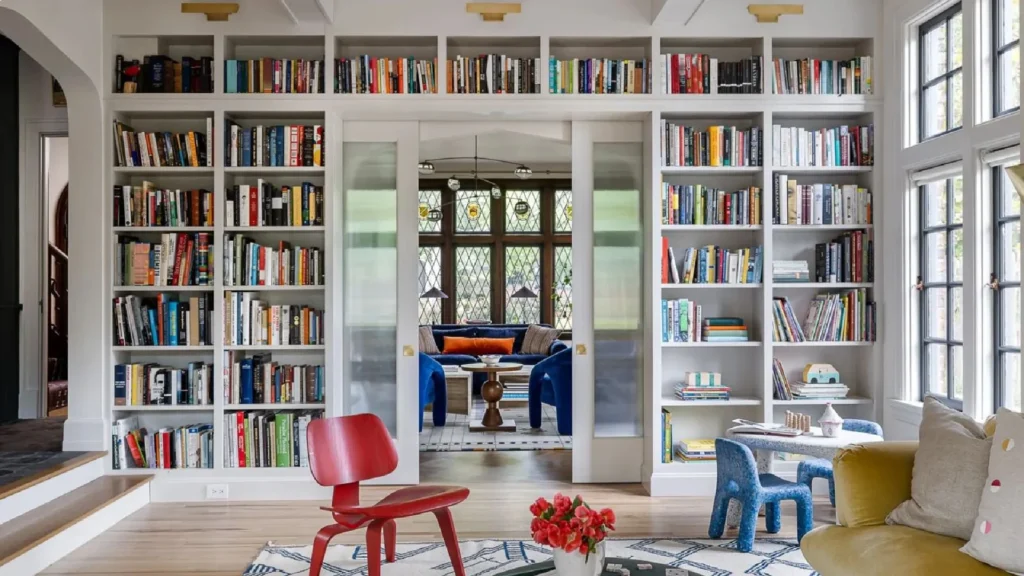
One of the defining narratives at Clerkenwell Design Week is transformability. Sliding partitions, retractable kitchen modules, concealed storage walls, and modular seating systems exemplify how compact living solutions can deliver multifunctionality without visual clutter.
- Movable wall systems that redefine privacy within open plans.
- Integrated storage architecture embedded seamlessly into structural elements.
- Convertible furniture that transitions from work to leisure modes.
- Vertical zoning strategies that maximize ceiling height.
These innovations demonstrate that small apartment design is as much about choreography as composition. Spaces perform rather than merely exist.
Material Intelligence and Visual Expansion
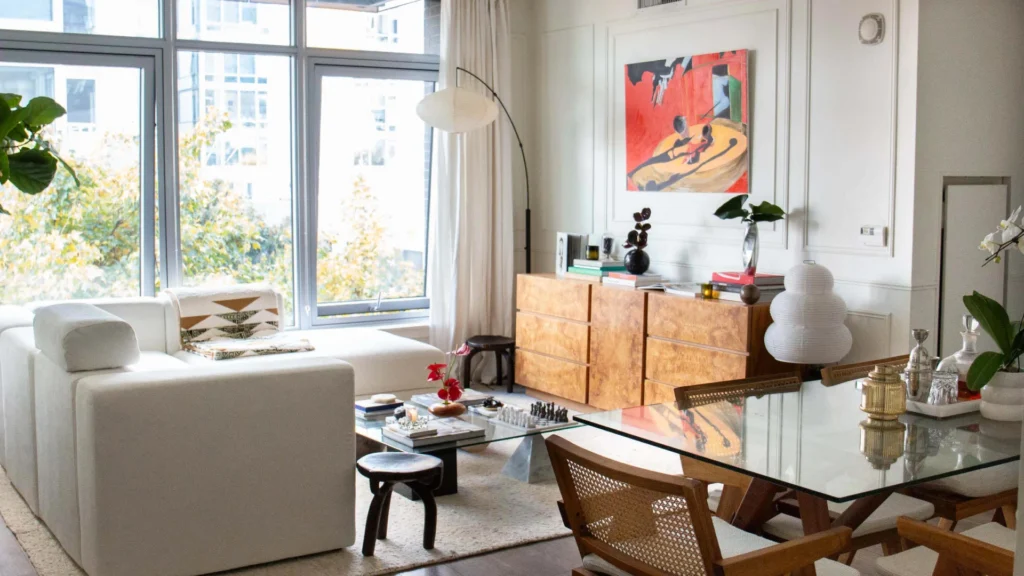
Another key theme at Clerkenwell Design Week is material sophistication. Reflective surfaces, tonal layering, and tactile contrasts are deployed strategically to create perceived spaciousness. Pale timbers, brushed metals, fluted glass, and textured stone are curated not only for aesthetics but for spatial amplification.
In the realm of compact living solutions, material intelligence becomes a structural device. A mirrored niche doubles the depth of a corridor; a continuous stone floor visually elongates a room; concealed hardware preserves visual calm.
Design Principles Driving Small Apartment Excellence
1. Zoning Without Walls
At Clerkenwell Design Week, designers repeatedly demonstrate how small apartment design thrives on subtle zoning rather than rigid compartmentalization. Instead of traditional walls, shifts in material, lighting, and ceiling treatment delineate functions.
Compact living solutions increasingly rely on:
- Changes in floor elevation to define living versus sleeping areas.
- Integrated shelving that acts as permeable dividers.
- Lighting gradients that distinguish workspaces from relaxation zones.
2. Furniture as Architecture
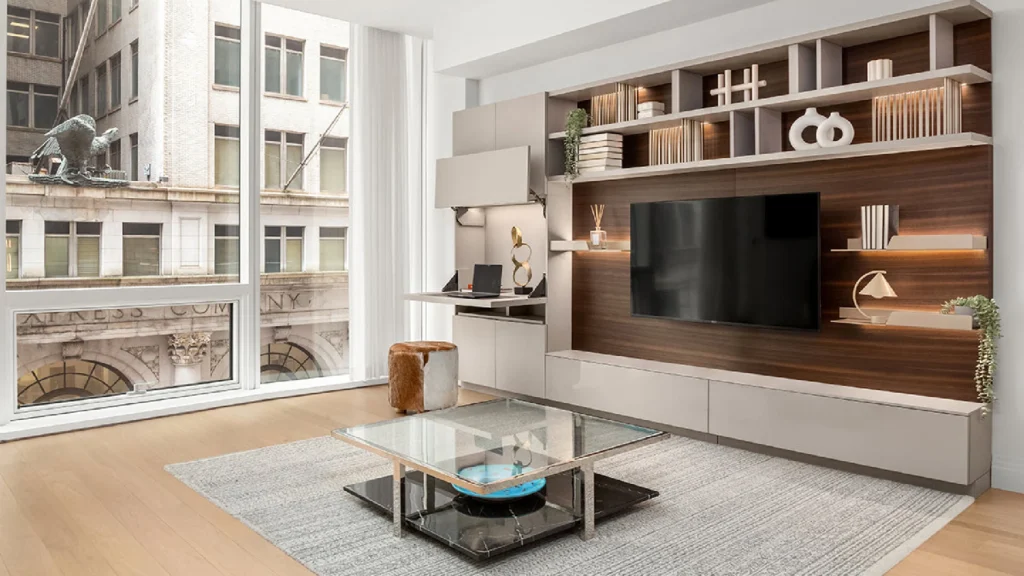
In sophisticated small apartment design, furniture is no longer an afterthought. At Clerkenwell Design Week, leading studios present joinery systems that operate as micro-architecture—housing wardrobes, media units, and workstations within unified volumes.
These compact living solutions dissolve the boundary between interior design and structural planning, encouraging collaboration between architects and furniture designers from the earliest project phases.
3. The Psychology of Spaciousness
Spatial perception plays a decisive role in small apartment design. Exhibits at Clerkenwell Design Week highlight how proportion, rhythm, and sightlines influence psychological comfort.
Effective compact living solutions often incorporate:
- Uninterrupted visual axes from entry to window.
- Consistent material palettes to avoid fragmentation.
- Concealed storage to reduce cognitive overload.
Luxury, in this context, is defined by serenity rather than scale.
Clerkenwell Design Week and the Future of Urban Real Estate
For developers operating in prime markets, Clerkenwell Design Week offers strategic foresight. The increasing demand for centrally located pied-à-terres and investment apartments has intensified interest in refined small apartment design.
Discerning buyers—particularly high-net-worth individuals—seek properties that demonstrate thoughtful compact living solutions rather than generic layouts. The emphasis has shifted toward:
- Bespoke millwork and tailored storage.
- Integrated smart home technology within discreet interfaces.
- Flexible guest accommodation within limited footprints.
- Durable, high-quality materials that elevate everyday rituals.
Clerkenwell Design Week consistently underscores that innovation in small apartment design can enhance both rental yields and long-term asset value. Intelligent compact living solutions are increasingly perceived as hallmarks of premium development.
Sustainability and Compact Living Solutions
Sustainability is integral to contemporary small apartment design. By reducing spatial excess, compact living solutions inherently lower material consumption and operational energy demands. At Clerkenwell Design Week, circular materials, modular systems, and locally sourced components reinforce this ecological dimension.
Designers are exploring:
- Demountable furniture systems for lifecycle flexibility.
- Recycled composite surfaces with refined finishes.
- Low-VOC coatings and sustainable timber certifications.
Such innovations affirm that compact living solutions are not merely practical—they are ethically aligned with future urban imperatives.
Global Influence: From Clerkenwell to the World
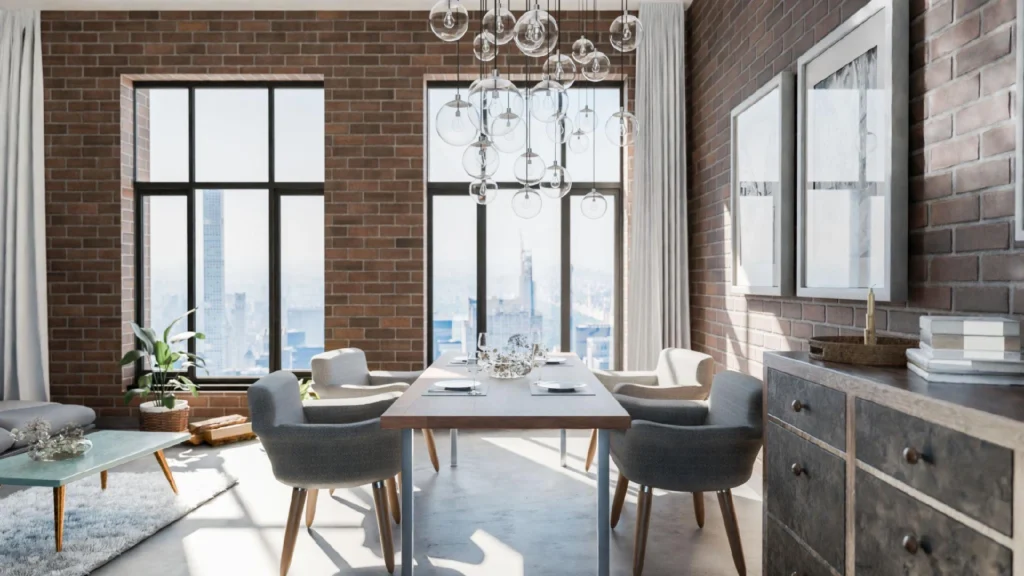
Although rooted in London, Clerkenwell Design Week exerts global influence. The dialogues initiated around small apartment design resonate across dense capitals—Parisian studios, Manhattan micro-lofts, Tokyo pied-à-terres.
International architects frequently adapt the compact living solutions showcased in Clerkenwell to local contexts, refining them according to cultural norms and climatic conditions. The result is a cross-pollination of ideas that elevates urban residential design worldwide.
Technology as an Enabler
Emerging technologies presented at Clerkenwell Design Week further expand the potential of small apartment design. From precision-engineered sliding mechanisms to AI-driven space planning tools, compact living solutions are becoming increasingly responsive and personalized.
For example, adaptive lighting systems calibrate ambiance according to time of day, while integrated charging and concealed cable management maintain visual purity. In high-density environments, such details significantly enhance quality of life.
Answering Key Questions About Clerkenwell Design Week and Compact Living
What makes Clerkenwell Design Week relevant to small apartment design?
Clerkenwell Design Week serves as a global platform where architects and designers present pioneering compact living solutions. Its urban context allows real-world experimentation with small apartment design, offering practical inspiration for international professionals.
How do compact living solutions increase property value?
High-quality compact living solutions enhance functionality, aesthetics, and adaptability—attributes that command premium valuations in competitive markets. Thoughtful small apartment design reduces wasted space and increases usability, strengthening long-term investment potential.
Are compact apartments compatible with luxury living?
Absolutely. As evidenced at Clerkenwell Design Week, luxury in small apartment design is defined by craftsmanship, materiality, and intelligent planning. Refined compact living solutions create environments that feel curated, calm, and architecturally cohesive.
A New Definition of Spatial Excellence
Clerkenwell Design Week continues to redefine the parameters of urban sophistication. By elevating small apartment design into a discipline of precision and poetry, the festival demonstrates that spatial limitation can inspire extraordinary innovation.
For architects, developers, and discerning homeowners alike, the lessons emerging from Clerkenwell Design Week affirm a central truth: the future of metropolitan living lies not in expansion, but in refinement. Through visionary compact living solutions, even the most modest apartment can become a sanctuary of intelligent luxury.