In contemporary architecture and interior design, few approaches are as refined and quietly powerful as warm minimalism. While minimalism has often been associated with stark white spaces and austere atmospheres, a new generation of designers has redefined the movement with warmth, texture, and sensory richness. Among the most influential figures in this evolution is Claudio Silvestrin, an architect and designer whose work embodies a deeply human interpretation of restraint.
Across residences from London to Milan and luxury developments worldwide, Claudio Silvestrin has shaped an architectural language where silence, material purity, and proportion create spaces that feel both monumental and intimate. His homes exemplify minimalist interiors that transcend stylistic trends, delivering a form of minimalist luxury rooted in timelessness rather than spectacle.
For architects, collectors, and global homeowners seeking serenity in an increasingly complex world, Silvestrin’s approach offers a compelling vision of how minimalism can become not colder—but warmer, richer, and profoundly more livable.
The Philosophy Behind Claudio Silvestrin’s Architecture
At the core of Claudio Silvestrin‘s work lies a philosophical understanding of space that draws from classical architecture, sacred geometry, and contemplative traditions. Educated in London and influenced by both European modernism and spiritual architecture, Silvestrin developed a design language that treats buildings as environments for reflection rather than objects for display.
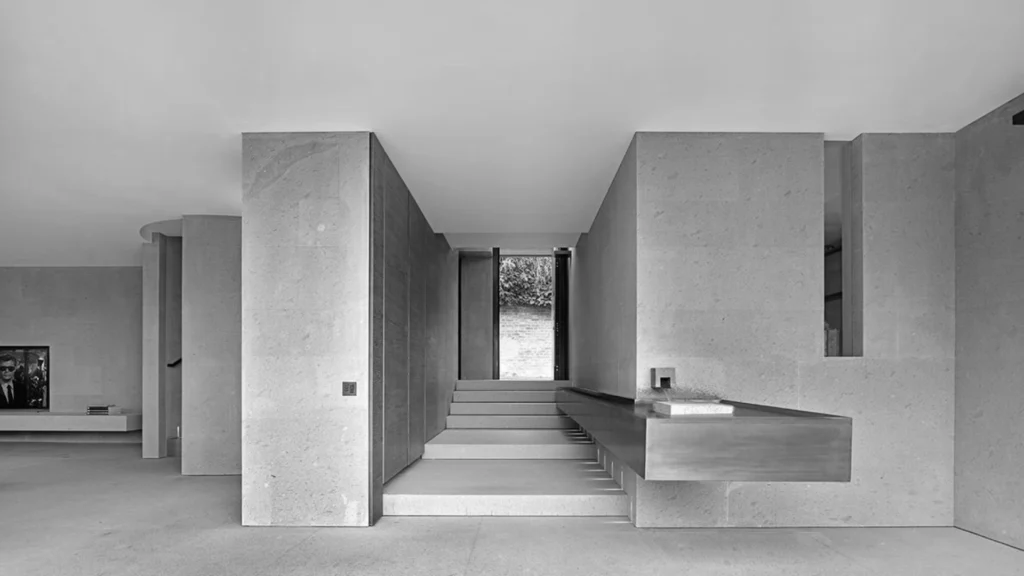
His homes are not designed to impress through excess; instead, they evoke emotional depth through restraint. Walls, floors, and ceilings become quiet frameworks that allow light, proportion, and material to perform the architecture.
In many ways, the designer redefines what minimalist interiors can represent. Rather than emptiness, his spaces communicate stillness. Rather than reduction for its own sake, each element exists only because it is essential.
Key Principles Guiding His Design Approach
- Spatial purity: Clear volumes and uninterrupted surfaces allow architecture to breathe.
- Material honesty: Stone, wood, plaster, and metal appear in their most authentic forms.
- Architectural silence: Decoration is replaced by proportion and light.
- Human scale: Even monumental spaces remain deeply comfortable and livable.
These principles transform residential architecture into environments that nurture calm, making minimalist luxury feel natural rather than staged.
Warm Minimalism: A Humanized Form of Minimalist Interiors
Minimalism has historically been criticized for feeling sterile or emotionally distant. However, the work of Claudio Silvestrin demonstrates how minimalism can evolve into something far more tactile and inviting.
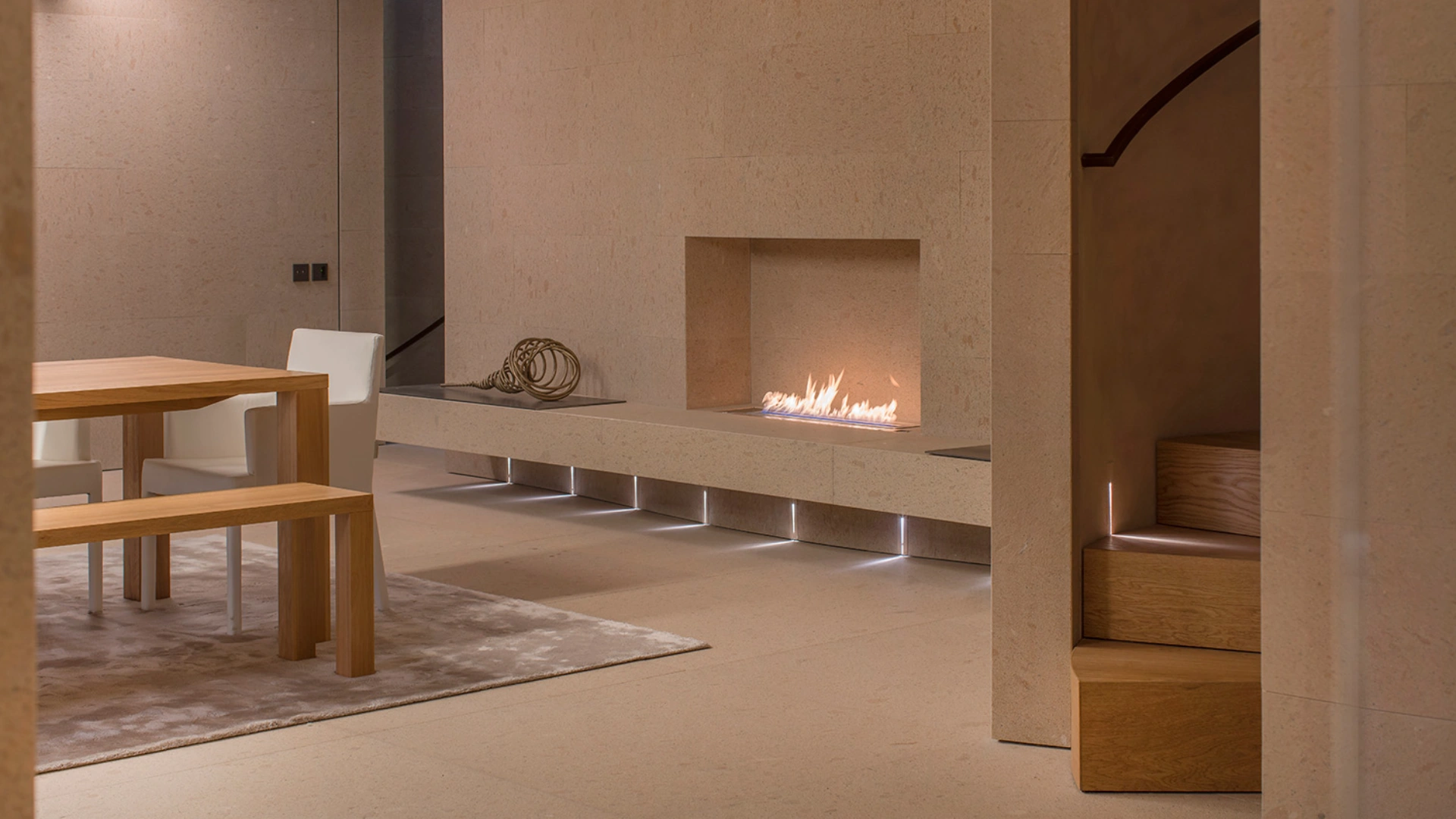
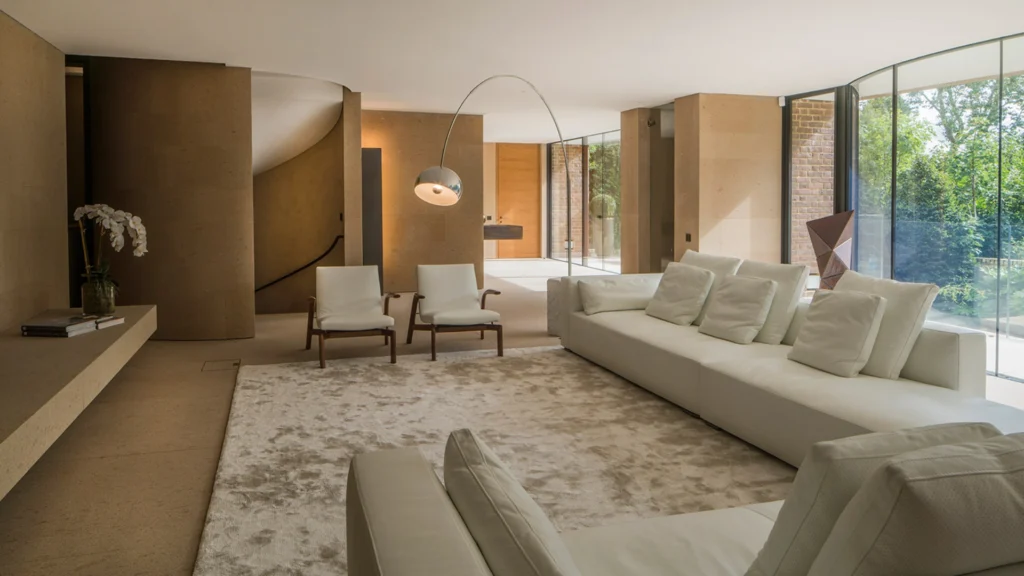
Warm minimalism replaces cold surfaces with sensorial materials and soft tonal palettes. Stone floors reveal their natural texture, plaster walls absorb light with subtle variations, and wood elements introduce organic warmth. These tactile layers transform minimalist interiors into environments that feel grounded and deeply comforting.
Rather than emphasizing visual drama, Silvestrin’s interiors prioritize atmosphere. The architecture unfolds gradually, encouraging occupants to notice shifting daylight, material transitions, and spatial rhythm.
This quiet richness defines a new standard of minimalist luxury—one that values calm sophistication over decorative abundance.
The Role of Natural Materials
Materiality is perhaps the most defining characteristic of homes designed by Claudio Silvestrin. Natural stone, timber, bronze, and handcrafted plaster create surfaces that age gracefully and acquire depth over time.
Instead of polished perfection, Silvestrin often celebrates subtle imperfections within materials. The grain of oak, the texture of limestone, or the patina of bronze contribute to interiors that feel alive.
These material choices anchor minimalist interiors in the natural world, reinforcing the warmth and authenticity that characterize contemporary minimalist luxury.
Light as the Primary Architectural Element
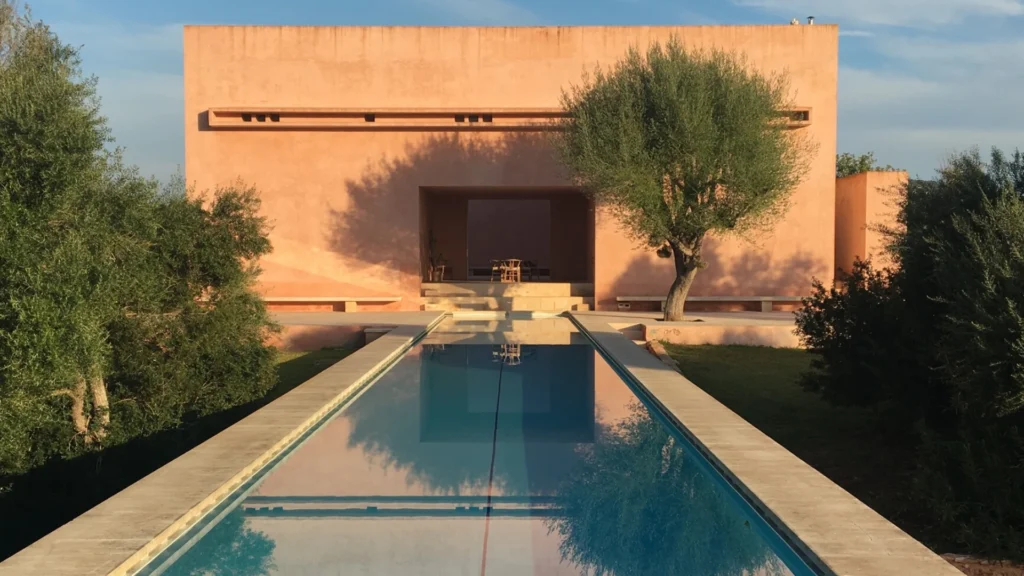
In many of Silvestrin’s residential projects, light functions as the primary decorative element. Carefully positioned windows, skylights, and courtyards allow sunlight to sculpt surfaces throughout the day.
The interplay between light and shadow animates otherwise restrained interiors, giving depth to walls and floors while subtly guiding movement through the home.
This architectural choreography transforms minimalist interiors into dynamic environments that change with time, season, and weather.
Such mastery of natural light aligns with principles long explored by architectural masters like Tadao Ando’s exploration of light and space, yet Claudio Silvestrin interprets the concept through a uniquely European sensibility rooted in warmth and material richness.
Architectural Techniques Used to Shape Light
- Deep-set windows that create shadow and visual depth
- Interior courtyards that introduce daylight into central spaces
- Stone or plaster surfaces designed to diffuse light softly
- Carefully concealed lighting that complements natural illumination
These strategies ensure that minimalist luxury emerges not from ornament but from the quality of spatial experience itself.
Furniture and Objects: Sculptural Simplicity
Within homes designed by Claudio Silvestrin, furniture is never excessive. Instead, each piece functions almost as a sculptural element within the architectural composition.
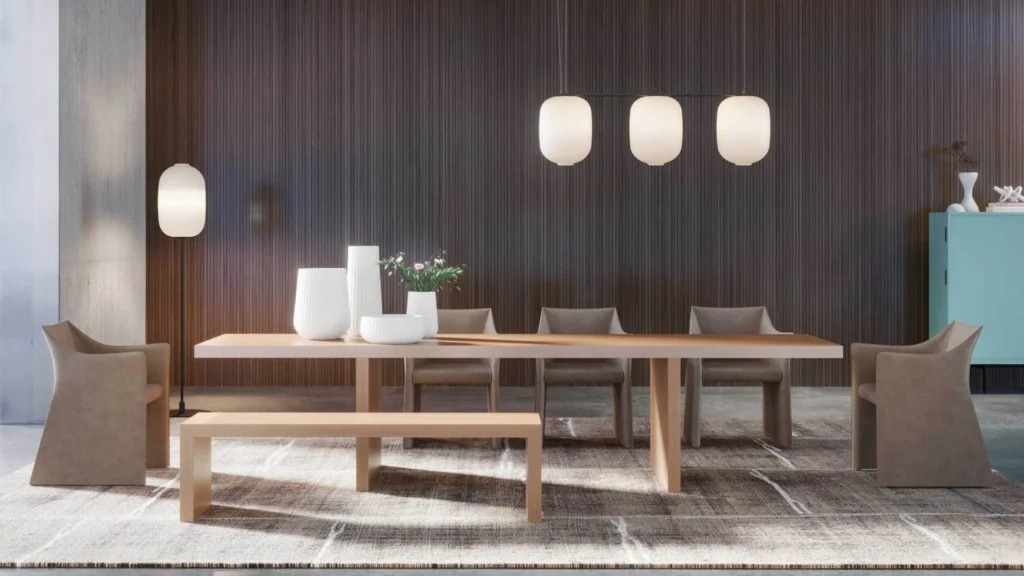
Tables appear as monolithic slabs of stone. Seating is low, generous, and upholstered in neutral textiles that emphasize comfort. Storage is often integrated into walls, allowing surfaces to remain visually calm.
This careful curation ensures that minimalist interiors remain uncluttered while still feeling warm and inviting. Every object contributes to the architectural narrative rather than competing with it.
Characteristics of Furniture in Warm Minimalist Homes
- Low-profile silhouettes that emphasize horizontality
- Natural materials such as oak, walnut, limestone, and linen
- Limited color palettes centered on earth tones
- Sculptural simplicity that complements architectural geometry
These design principles reinforce a form of minimalist luxury defined by balance and calm rather than visual abundance.
The Emotional Impact of Minimalist Luxury
Beyond aesthetics, the homes designed by Claudio Silvestrin address a deeper emotional need: the desire for sanctuary. In an era of constant digital stimulation, spaces that cultivate silence and clarity have become increasingly valuable.
Warm minimalism offers precisely this refuge. By eliminating visual noise and emphasizing material authenticity, Silvestrin’s minimalist interiors encourage mindfulness and reflection.
Occupants experience architecture not as background decoration but as a living environment that shapes daily rituals—from morning light entering a bedroom to evening gatherings around a stone dining table.
Why High-End Clients Embrace Warm Minimalism
- It creates interiors that feel timeless rather than trend-driven.
- Natural materials age beautifully and develop character.
- Spaces promote mental clarity and emotional calm.
- Architectural simplicity highlights craftsmanship and quality.
For global homeowners and collectors, this interpretation of minimalist luxury represents a sophisticated alternative to overly decorative interiors.
Lessons Designers Can Learn from Claudio Silvestrin
For architects and interior designers, the work of Claudio Silvestrin offers valuable lessons on how restraint can produce extraordinary results. His projects demonstrate that minimalist interiors require immense discipline, thoughtful detailing, and a deep understanding of proportion.
Rather than filling space, designers must carefully edit it—removing unnecessary elements until only the essential remains.
Key Design Lessons
- Prioritize proportion over decoration.
- Use natural materials to introduce warmth.
- Allow light to become a primary design element.
- Integrate furniture into the architectural concept.
- Create calm environments that enhance daily life.
These principles continue to shape the future of minimalist luxury, influencing designers and developers worldwide.
The Future of Warm Minimalism
As contemporary architecture moves toward sustainability, wellness, and material authenticity, the philosophy of Claudio Silvestrin appears increasingly relevant. Warm minimalism aligns naturally with these priorities, emphasizing durability, craftsmanship, and thoughtful spatial design.
Luxury homes are evolving beyond decorative spectacle toward environments that prioritize experience. In this context, minimalist interiors enriched by natural materials and sculptural architecture represent a powerful design direction for the coming decades.
Silvestrin’s work reminds us that architecture does not need complexity to feel profound. Through balance, light, and material honesty, his projects redefine what minimalist luxury can mean in the modern home.
The Takeaway
Warm minimalism has emerged as one of the most influential movements in contemporary residential design, and few architects have shaped it as thoughtfully as Claudio Silvestrin. His homes demonstrate how restraint, when guided by craftsmanship and sensitivity, can produce spaces of remarkable depth and serenity.
By merging architectural purity with tactile materials and human-centered design, Silvestrin elevates minimalist interiors into environments that feel timeless, contemplative, and quietly luxurious.
For architects, designers, and discerning homeowners seeking a new vision of minimalist luxury, the work of Claudio Silvestrin offers an enduring blueprint—one where simplicity becomes the ultimate expression of sophistication.