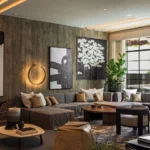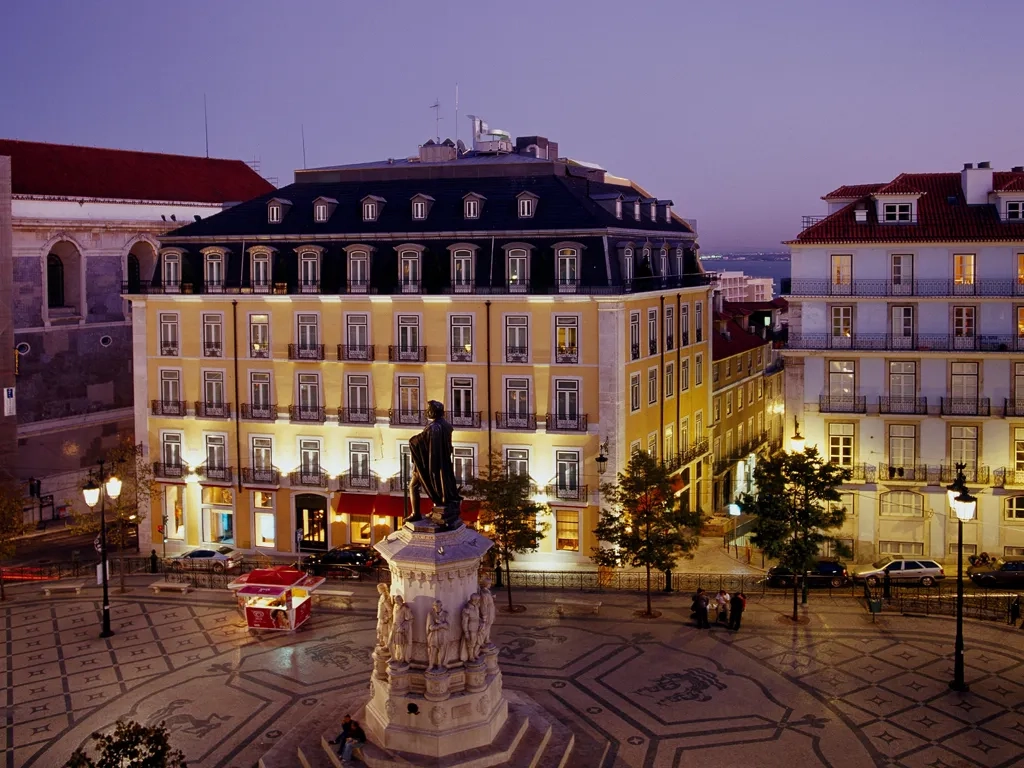
In today’s design-driven hospitality landscape, Lisbon’s best boutique hotels are redefining what luxury means in an urban context. Rather than relying on scale, these properties distinguish themselves through curated interiors, architectural sensitivity, and a strong sense of place. For interior designers and architects, Lisbon offers a compelling case study where heritage buildings are transformed into immersive environments. Moreover, these hotels demonstrate how materiality, craftsmanship, and spatial storytelling can elevate hospitality design, turning each stay into a layered and memorable experience.
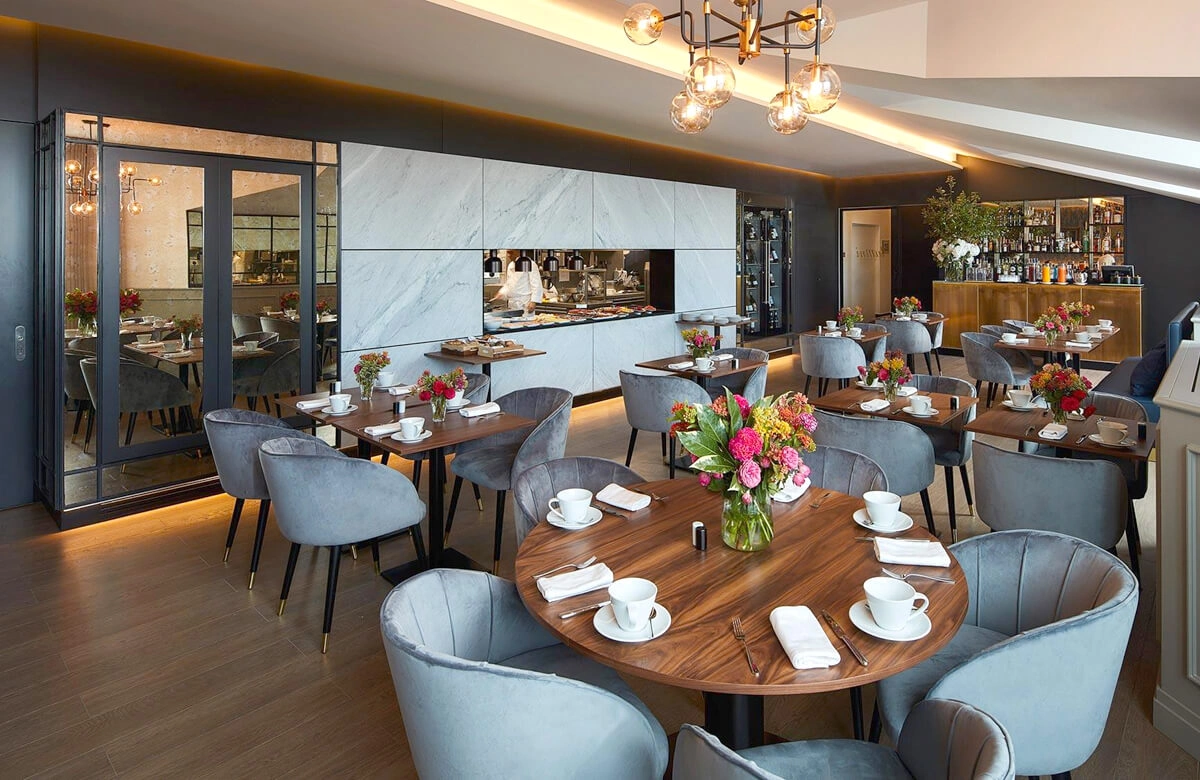
The Rise of Design-Led Boutique Hospitality in Lisbon
Lisbon has become one of Europe’s most dynamic design capitals, and its boutique hotels reflect this evolution. Unlike traditional luxury hotels, these spaces prioritize individuality, often occupying restored palaces, convents, or historic residences.
This approach allows designers to preserve architectural identity while introducing contemporary interventions. As a result, interiors feel authentic rather than standardized. For design professionals, Lisbon’s best boutique hotels highlight the importance of contextual design, where each project responds directly to its cultural and architectural environment, creating a more meaningful and immersive guest experience.
Key Design Characteristics of Lisbon’s Best Boutique Hotels
Across the city, Lisbon’s best boutique hotels share several defining interior design strategies:
- Adaptive reuse of historic buildings with preserved details
- Integration of local materials such as azulejos and stone
- Collaboration with Portuguese designers and artists
- Layered interiors combining vintage and contemporary elements
- Emphasis on intimate, human-scaled spaces
These characteristics create environments that feel both luxurious and deeply connected to Lisbon’s cultural identity, offering valuable lessons for high-end residential and hospitality design.
Memmo Alfama Hotel
A Contemporary Interpretation of Historic Lisbon
Set within the narrow streets of Alfama, Memmo Alfama Hotel exemplifies how contemporary design can coexist with historic architecture. Originally part of Lisbon’s old urban fabric, the building has been transformed into a refined, design-led boutique hotel.
The interiors are minimal yet warm, drawing inspiration from Scandinavian aesthetics while maintaining a strong Portuguese identity. Clean lines, neutral tones, and carefully curated materials create a calm atmosphere. Furthermore, the spatial layout emphasizes views over the Tagus River, reinforcing the connection between interior space and urban landscape.
The Lumiares Hotel & Spa
Local Craftsmanship in a Historic Palace
Located in Bairro Alto, The Lumiares Hotel & Spa offers a compelling blend of heritage and contemporary design. Housed in an 18th-century palace, the project integrates apartment-style living with a strong emphasis on local craftsmanship.
- Use of Portuguese textiles and custom furniture
- Integration of artwork by local artists
- Spacious layouts that reflect residential typologies
- Rooftop spaces that extend the interior experience
- Neutral palettes that highlight materiality
This approach creates a hotel that feels both personal and culturally grounded, reinforcing the importance of local identity in luxury interiors.
Bairro Alto Hotel
Architectural Refinement and Urban Context
As one of Lisbon’s original boutique hotels, Bairro Alto Hotel demonstrates how architecture and interior design can evolve while maintaining authenticity. The renovation, led by a renowned architect, carefully preserved historic elements such as balconies and high ceilings.
At the same time, interiors were updated with warm materials, soft tones, and contemporary detailing. This balance creates a refined environment that responds to its urban surroundings. Additionally, the rooftop terrace extends the spatial experience, offering panoramic views that enhance the connection between interior and cityscape.
Palácio Ludovice Wine Experience Hotel
Heritage Interiors with a Narrative Approach
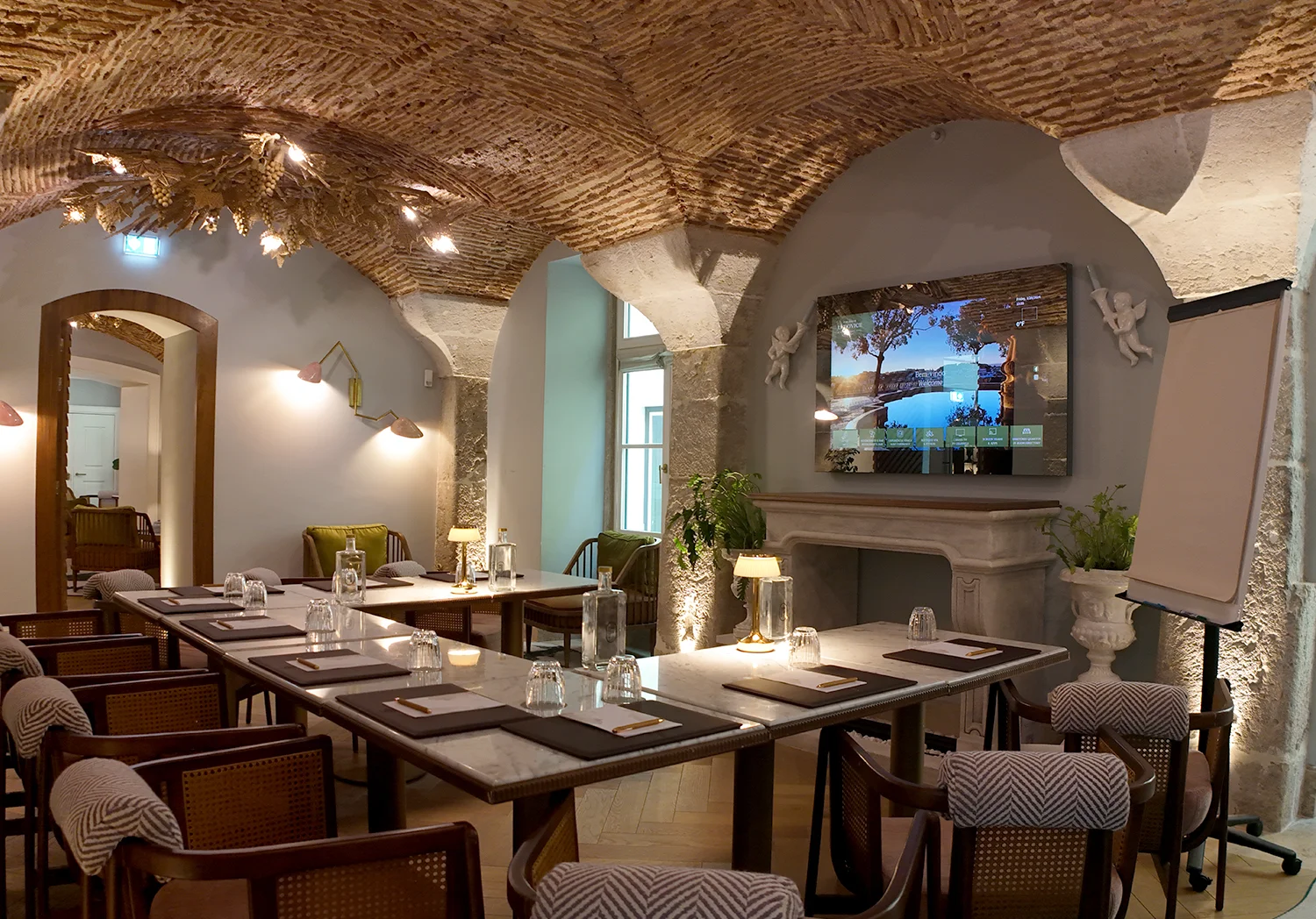
Palácio Ludovice represents a more immersive interpretation of boutique hospitality. Set within an 18th-century palace, the hotel preserves original frescoes, azulejos, and stucco ceilings, creating a richly layered interior environment.
- Restoration of historic decorative elements
- Integration of wine-inspired design themes
- Use of warm tones and Art Deco influences
- Emphasis on storytelling through interiors
- Combination of heritage and contemporary comfort
This narrative-driven approach transforms the hotel into an experiential space, where design communicates history and culture.
Valverde Hotel
Residential Elegance on Avenida da Liberdade
Valverde Hotel offers a different perspective on boutique luxury, focusing on residential comfort and understated elegance. Located on Lisbon’s main avenue, the hotel is set within a 19th-century building and designed to feel like a private home.
Interiors feature warm colors, antique furnishings, and curated artworks, creating a layered and intimate atmosphere. The central patio acts as a quiet retreat within the urban environment, demonstrating how outdoor and indoor spaces can be seamlessly integrated.
Designing Atmosphere Through Materiality
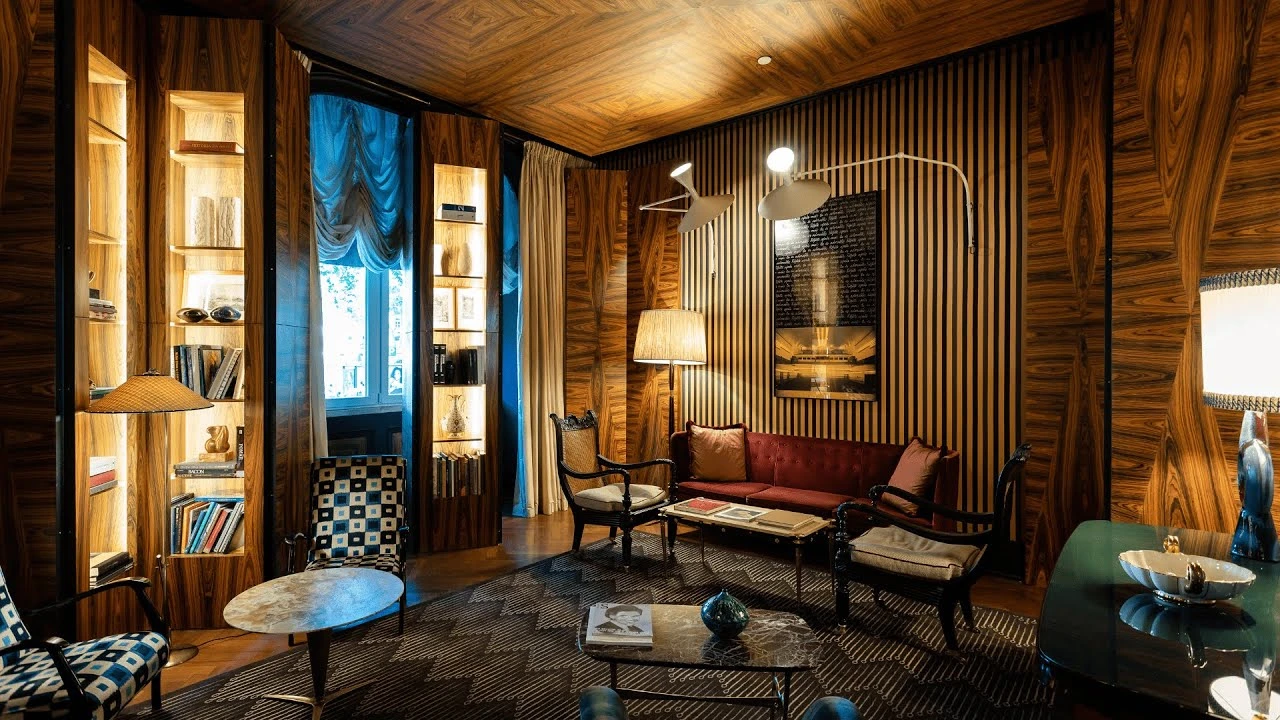
Materiality is a defining factor in Lisbon’s best boutique hotels, shaping both visual identity and sensory experience. Designers prioritize authenticity, often working with materials that reflect the local context.
Stone, wood, ceramics, and textiles are used in combination to create depth and warmth. Importantly, finishes are often left slightly imperfect, reinforcing a sense of craftsmanship and authenticity. This approach contrasts with more polished, international styles, offering a more grounded and tactile interpretation of luxury. For designers, it highlights the importance of material honesty in creating meaningful interiors.
Spatial Experience and Human-Centered Design
A key strength of Lisbon’s best boutique hotels lies in their human-centered approach to spatial design. Unlike large-scale hotels, these properties focus on intimacy and personalization.
- Smaller room counts that enhance exclusivity
- Layouts that prioritize comfort and usability
- Communal spaces designed for social interaction
- Visual connections between interior and exterior
- Attention to detail at every scale
These strategies create environments that feel welcoming and personal, aligning with the evolving expectations of luxury travelers.
The Influence of Art and Culture
Art plays a significant role in shaping the identity of Lisbon’s boutique hotels. Many properties incorporate curated collections, installations, and collaborations with local artists.
This integration transforms interiors into cultural spaces, where guests engage with the city’s creative scene. In some cases, hotels function as hybrid environments, combining hospitality with galleries or cultural programming. This approach not only enhances the guest experience but also reinforces the connection between design and cultural context, making each hotel a reflection of Lisbon’s artistic identity.
Conclusion – Lisbon’s Best Boutique Hotels
Lisbon’s best boutique hotels offer a compelling vision of contemporary luxury, where design, architecture, and culture converge. Through careful restoration, material selection, and spatial planning, these properties create environments that are both refined and deeply contextual.
For interior designers and architects, they provide valuable insights into the future of hospitality design. As the industry continues to evolve, the emphasis on individuality, craftsmanship, and narrative will remain central. Ultimately, Lisbon demonstrates that true luxury lies not in scale, but in the ability to create spaces that feel authentic, immersive, and uniquely connected to their surroundings.