

When Hospitality Feels Like Home—Only Better
In recent years, the most compelling addresses in global hospitality have begun to blur the line between hotel and home. No longer defined by standardized luxury or overt grandeur, today’s most coveted stays are intimate, design-forward environments that feel deeply personal—more like impeccably curated private residences than commercial destinations. These are boutique hotel design experiences conceived with the same intentionality, restraint, and emotional intelligence as a designer’s own home.
This evolution reflects a broader cultural shift. As global travelers become more design-literate and lifestyle-driven, they seek environments that resonate on a domestic, human scale. The rise of designer hotels is not about spectacle; it is about atmosphere, materiality, and storytelling. In these spaces, luxury hotel interiors are defined less by excess and more by nuance—by how a room feels at dawn, how textures age, and how architecture frames daily rituals.
The Rise of the Hotel-as-Home Concept
The concept of hotels that feel like homes is rooted in a convergence of disciplines. Hospitality increasingly borrows from residential interior design, while leading architects and designers apply domestic sensibilities to large-scale projects. The result is a new typology of boutique hotel design that prioritizes comfort, authenticity, and emotional connection.
Several factors have accelerated this shift:
- Design-conscious travelers who expect editorial-level interiors.
- The influence of private members’ clubs, where intimacy and discretion are paramount.
- A desire for locality, expressed through materials, craftsmanship, and cultural references.
- The post-pandemic focus on wellbeing, favoring warmth, tactility, and calm.
These forces have redefined what luxury means in hospitality. Rather than formality, today’s designer hotels emphasize lived-in elegance—spaces that invite guests to linger, not perform.
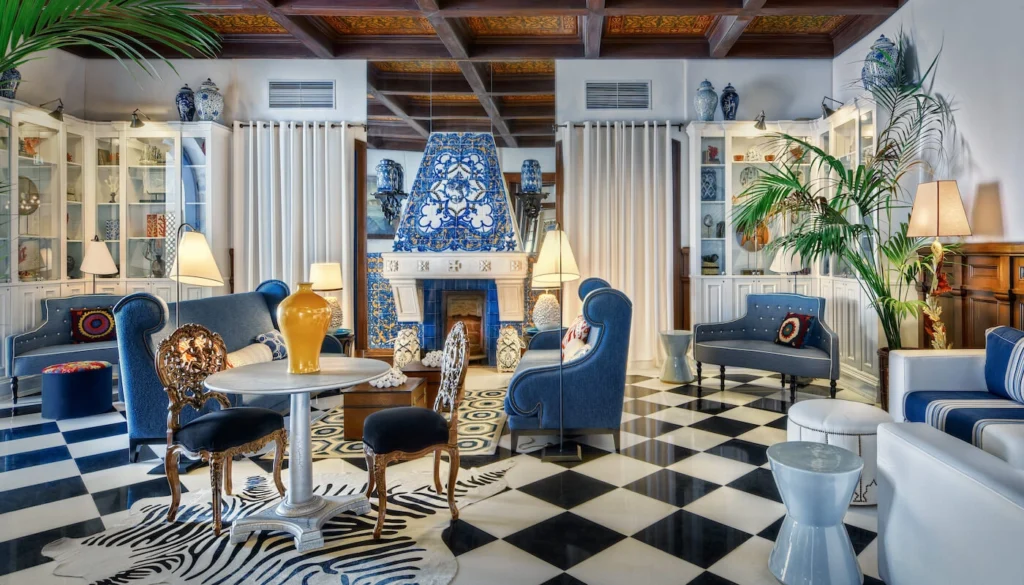
Europe: Where Heritage Meets Contemporary Domesticity
Paris: The Art of Effortless Refinement
In Paris, boutique hotel design often mirrors the sensibility of Left Bank apartments or Right Bank hôtels particuliers. Here, luxury hotel interiors are shaped by proportion, light, and craftsmanship rather than trend-driven statements. Rooms feel collected over time: plaster walls, vintage lighting, bespoke joinery, and art that feels personal rather than curated for scale.
What distinguishes Parisian designer hotels is their confidence in understatement. Neutral palettes are layered with patina; furniture feels residential in scale; bathrooms echo private spa-like retreats. The result is a sense of quiet sophistication that resonates with design professionals seeking authenticity over theatrics.
Italy: Warm Modernism and Material Poetry
Across Milan, Florence, and Rome, boutique hotels increasingly channel the language of Italian residential architecture. Travertine, walnut, linen, and artisanal ceramics create interiors that feel grounded and tactile. These luxury hotel interiors reflect Italy’s enduring dialogue between modernism and tradition.
Rather than monumental lobbies, guests are welcomed into salon-like spaces that recall private living rooms. The best designer hotels in Italy feel deeply connected to the rhythms of daily life—breakfast spaces that resemble kitchens, lounges that invite conversation, and suites that prioritize flow over formality.
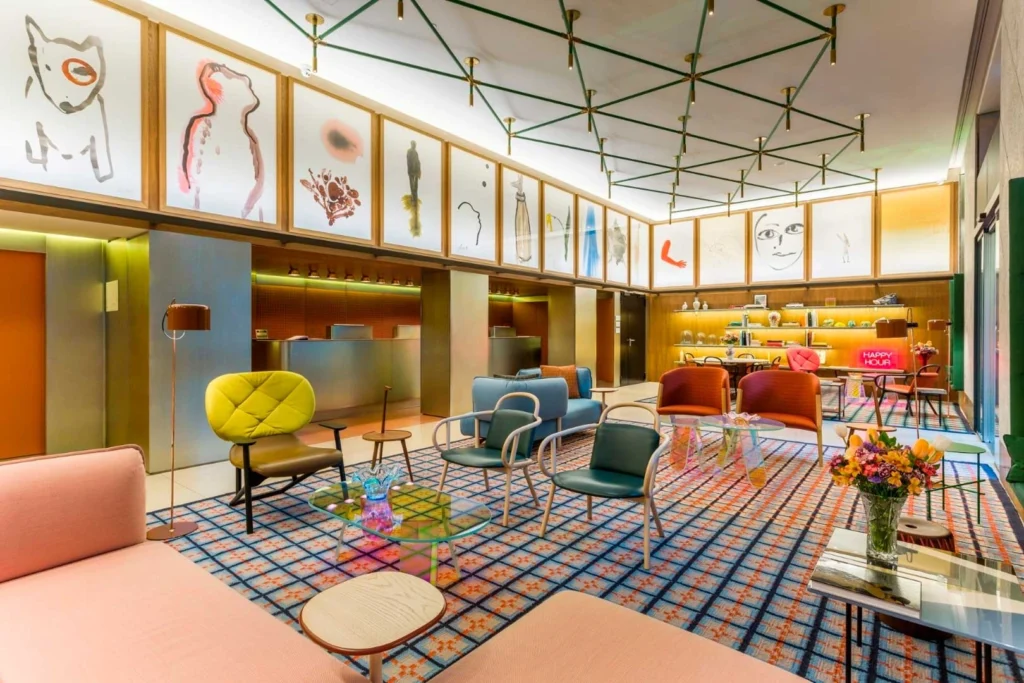
North America: Residential Luxury at a Grand Scale
New York: Urban Homes for the Global Nomad
In New York City, boutique hotel design often draws inspiration from the archetype of the refined urban apartment. Think layered textiles, custom millwork, sculptural lighting, and art-forward interiors. These designer hotels speak to a clientele fluent in both design and culture.
What sets New York’s luxury hotel interiors apart is their balance of intimacy and confidence. Even within dense urban footprints, spaces feel curated rather than crowded. Public areas function like shared living rooms, while guest suites emphasize comfort, privacy, and intelligent spatial planning.
California: Indoor-Outdoor Living Redefined
On the West Coast, boutique hotel design is inseparable from landscape. In California, luxury hotel interiors extend seamlessly into gardens, terraces, and courtyards. Materials are natural and honest—oak, stone, clay—echoing the language of contemporary residential architecture.
These designer hotels feel less like destinations and more like retreats. The emphasis is on light, airflow, and flexibility, mirroring the way modern homes are designed to support wellbeing and ease. It is a distinctly American interpretation of domestic luxury—relaxed, confident, and design-led.
Asia: Contemporary Craft and Spatial Intelligence
Japan: Minimalism with Emotional Depth
Japan has long influenced global design discourse, and its boutique hotels exemplify the power of restraint. Luxury hotel interiors here are defined by proportion, material integrity, and an acute sensitivity to space. Rooms often feel like contemporary ryokan—minimal yet deeply comforting.
In Japanese designer hotels, every element has purpose. Natural wood, stone, and textile partitions create a sense of calm, while light is treated as a design material in its own right. These spaces resonate strongly with architects and designers who value clarity and intention.
Southeast Asia: Tropical Homes, Elevated
In destinations such as Bali and Thailand, boutique hotel design frequently reinterprets the private villa. Open plans, handcrafted furniture, and locally sourced materials define luxury hotel interiors that feel immersive and serene.
Rather than imposing Western notions of luxury, the most compelling designer hotels in the region embrace vernacular architecture. The result is hospitality that feels both elevated and deeply rooted in place—an approach increasingly admired by global design leaders.
Why Designer Hotels Resonate with Design Professionals
For architects, interior designers, and real estate experts, boutique hotels that feel like homes serve as living case studies. They demonstrate how residential principles can be scaled without losing intimacy, and how luxury hotel interiors can feel personal rather than performative.
These environments offer inspiration in several key areas:
- Spatial sequencing that prioritizes experience over spectacle.
- Material palettes that age gracefully.
- Furniture selection that balances comfort with architectural clarity.
- Lighting strategies that enhance mood rather than dominate space.
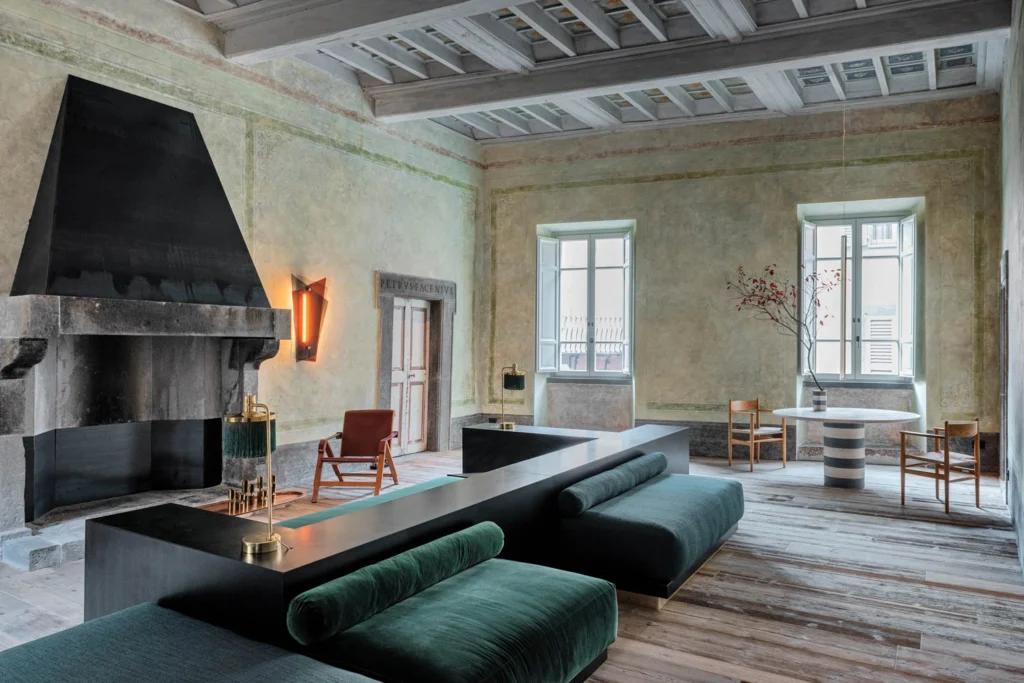
The Future of Boutique Hotel Design
As hospitality continues to evolve, the hotel-as-home concept is poised to deepen. Future boutique hotel design will likely place even greater emphasis on sustainability, adaptive reuse, and emotional longevity. Luxury hotel interiors will be judged not by how they photograph, but by how they endure—both physically and emotionally.
According to ongoing insights from global design discourse, including publications such as
Architectural Digest, the most successful designer hotels are those that prioritize authenticity over novelty. They feel timeless because they are rooted in human experience, not fleeting trends.
Living, Not Staying
The most memorable boutique hotels today are not simply places to stay—they are places to live, if only temporarily. By adopting the language of residential design, these designer hotels create environments that feel intimate, expressive, and enduring.
For a global audience attuned to architecture, interiors, and lifestyle, this evolution represents a meaningful shift. Boutique hotel design is no longer about escapism alone; it is about connection—to place, to material, and to a way of living that values beauty, comfort, and intention in equal measure.