Boutique Hotels occupy a powerful place in contemporary design culture. They offer something large luxury chains often struggle to deliver: identity, authorship, and a sharply defined point of view. When a famous architect shapes that experience, the hotel becomes more than a place to stay. It becomes a design destination.
For interior designers, furniture brands, architects, and luxury design studios, the best architect-led boutique properties work as living case studies. They show how hospitality can express atmosphere through form, material, lighting, furniture selection, circulation, and local context. They also reveal how architecture and interiors can turn a relatively compact property into a memorable brand world.
Today’s best Boutique Hotels do not rely on surface styling alone. They combine narrative, craftsmanship, and spatial intelligence. That is exactly why architect-designed boutique hotels continue to influence luxury interiors and hospitality concepts across the globe.
Why Boutique Hotels Matter So Much in Design
The rise of Boutique Hotels changed hospitality design. Instead of repeating one predictable luxury formula, boutique properties introduced individuality. They embraced local character, custom interiors, and stronger emotional storytelling.
That shift matters to design professionals because boutique hotels often move faster than residential or commercial architecture when testing new ideas. They become laboratories for:
- custom furniture and lighting
- artisanal materials and finishes
- strong architectural branding
- immersive guest sequencing
- collectible and gallery-like interiors
For luxury studios, these hotels offer practical inspiration. A lobby may suggest a new approach to spatial drama. A guest suite may solve the problem of compact elegance. A restaurant bar may show how material contrast can create intimacy without clutter.
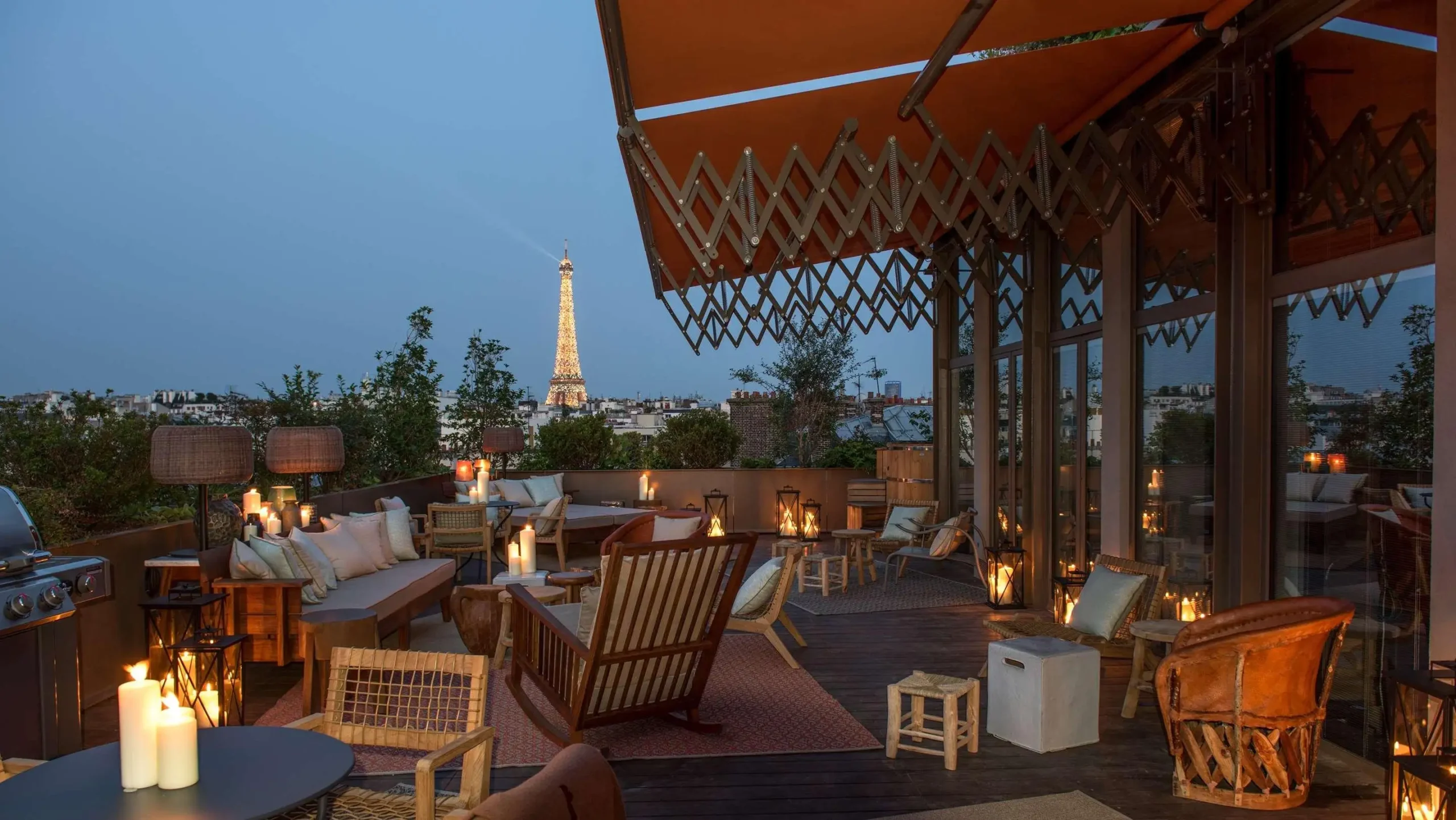
What Makes an Architect-Designed Boutique Hotel Stand Out
Not every stylish hotel belongs on a serious design list. The best Boutique Hotels designed by famous architects tend to share a few traits.
Clear Architectural Authorship
You can feel the architect’s hand in the massing, detailing, rhythm, or spatial planning. The property does not look generic or trend-chased.
Strong Interior-Architecture Dialogue
Great boutique hotels do not treat interiors as decoration added later. Architecture, furniture, materials, and lighting work together from the start.
Sense of Place
The most memorable properties respond to climate, context, heritage, or local craft. They do not just import a luxury template.
Branded Atmosphere
A successful boutique hotel feels emotionally precise. Every element supports the same mood, whether that mood is monastic, theatrical, tropical, urban, or quietly residential.
The Best Boutique Hotels Designed by Famous Architects
1. Hyael Hotel, Canberra — designed by March Studio
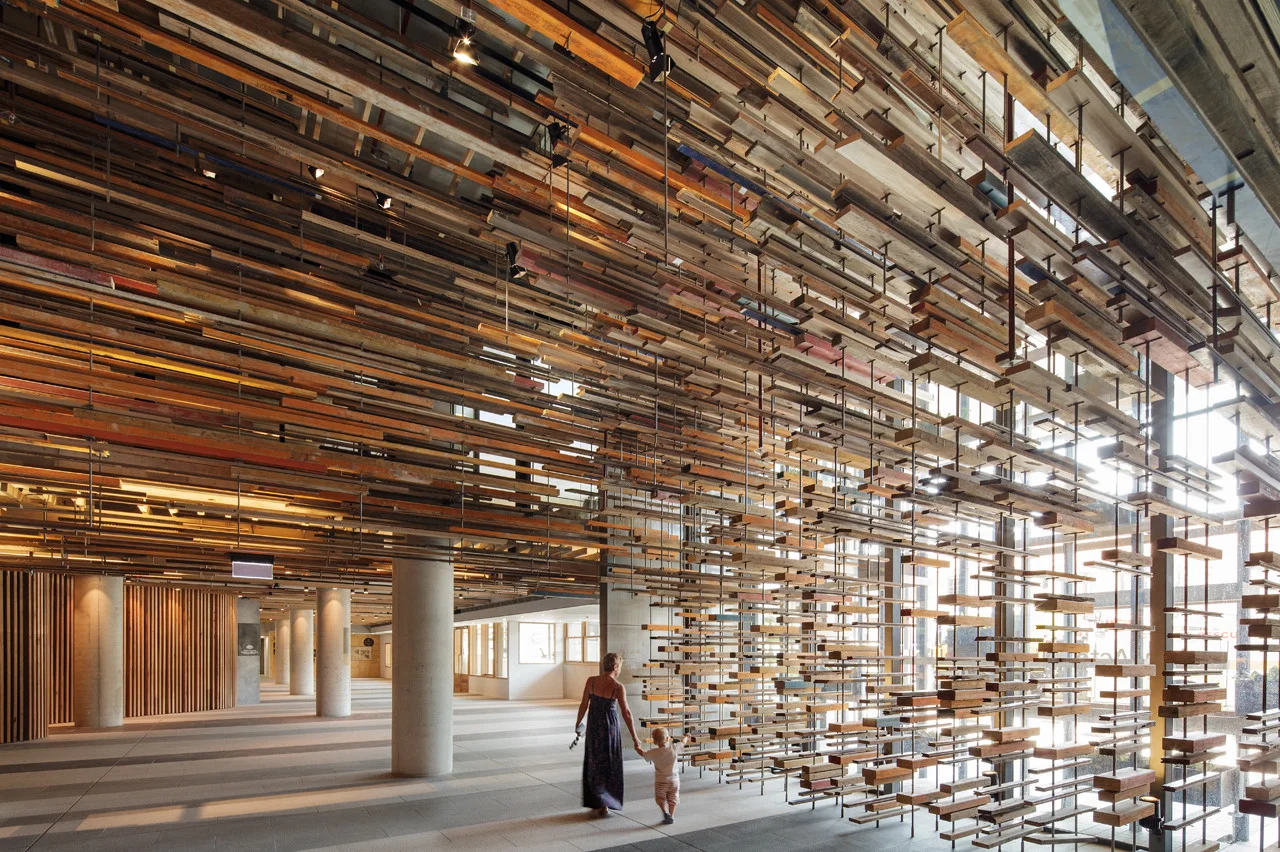
Hotel Hotel, in Canberra’s NewActon precinct, became one of the clearest examples of architect-led boutique hospitality in Australia. March Studio designed the hotel and approached it as a highly immersive environment shaped by timber, texture, art, and handcrafted detail. ArchDaily notes that the project forms part of the NewActon Nishi building and describes the hotel as a richly layered interior world.
This property matters because it shows how Boutique Hotels can feel cinematic without becoming flashy. The timber-heavy interiors, sculptural public spaces, and curated design language create a mood that many luxury studios now try to emulate.
Best lesson for designers: strong atmosphere often comes from repetition of materials, crafted irregularity, and tightly controlled lighting.
2. Pillows Grand Boutique Hotel Maurits at the Park, Amsterdam — restored with design by Office Winhov
ArchDaily’s project coverage explains that this Amsterdam hotel occupies a historic building originally designed by architect Jan Bernard Springer in 1908, with a recent transformation led by Office Winhov. The renovation kept the relationship to the surrounding park central to the design concept.
Among contemporary Boutique Hotels, this one stands out for the way it balances heritage architecture with updated luxury restraint. Designers can study its handling of adaptive reuse, facade preservation, and atmospheric interior continuity.
Best lesson for designers: a boutique hotel does not need visual excess to feel luxurious. Precision, context, and historic depth often do more.
3. Aman Tokyo — interiors by Kerry Hill Architects
Aman describes Aman Tokyo as its first urban hotel and positions it as a property that brings the Aman philosophy into the center of Tokyo. The brand’s official site also highlights its emphasis on serenity, scale, and Japanese-inspired spatial calm.
Kerry Hill’s work on Aman properties has long influenced luxury hospitality, and Aman Tokyo remains one of the strongest examples. While it sits at the edge of the boutique category because of brand stature, its design thinking fits this discussion perfectly. The hotel uses vast volumes, natural materials, filtered light, and disciplined detailing to create an almost spiritual version of urban luxury.
Best lesson for designers: Boutique Hotels can achieve emotional intensity through restraint, not just visual complexity.
4. Aeon Hotel, South Tyrol — designed by noa* network of architecture
ArchDaily’s coverage of Aeon Hotel credits noa* network of architecture and shows how the project uses dramatic framing, landscape connection, and highly contemporary interior architecture in South Tyrol.
This is one of the most compelling recent Boutique Hotels for architects and design studios because it merges alpine setting, clean geometry, and experiential planning. It does not rely on rustic clichés. Instead, it translates the mountain environment into crisp, memorable architectural moments.
Best lesson for designers: regional hospitality works best when it interprets place rather than imitates it literally.
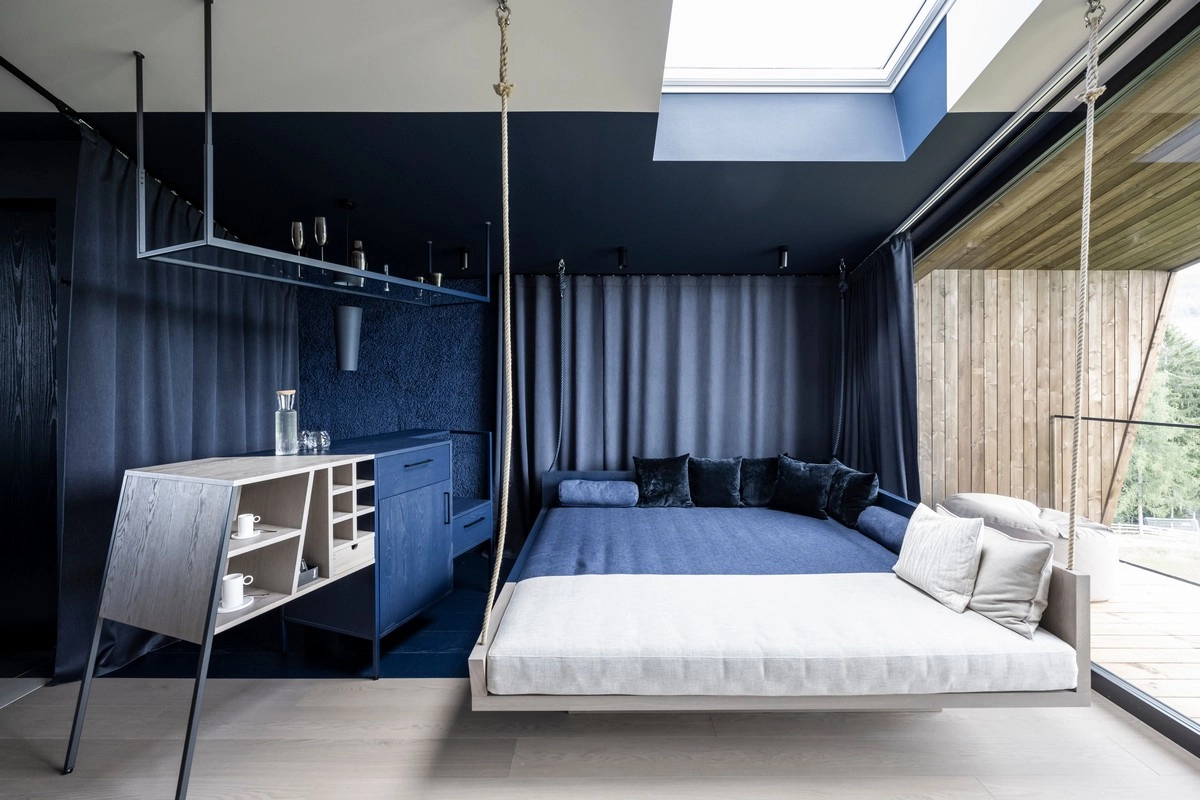
5. Gloriette Guesthouse, South Tyrol — designed by noa* network of architecture
ArchDaily explains that Gloriette adapts carefully to the site’s topography, with guest rooms, garden suites, and public areas arranged to maximize views and outdoor connection.
For professionals studying Boutique Hotels, this project offers a smart lesson in sequencing. The site plan, terrace relationships, and layered public-to-private transitions show how smaller hospitality projects can still feel generous and spatially rich.
Best lesson for designers: circulation creates luxury. A compact hotel can feel expansive when the arrival, view lines, and shared spaces unfold in the right order.
6. Firmdale Hotels, London and New York — interiors by Kit Kemp
Firmdale states that its hotels in London and New York are individually designed and decorated by Kit Kemp.
Kit Kemp is not known primarily as an architect, but she is a major design author in the boutique hotel world, and her work deserves attention from luxury interiors professionals. Her hotels prove that Boutique Hotels can build a strong architectural identity through layered interiors, bespoke upholstery, art, color, and decorative confidence.
Best lesson for designers: branded hospitality does not have to feel formulaic. Repetition of spirit can matter more than repetition of form.
7. Grupo Habita properties, Mexico — shaped by a design-driven hospitality vision
Design Hotels credits Carlos Couturier and Moisés Micha, cofounders of Grupo Habita, with helping transform Mexico’s boutique hotel scene through a portfolio of architecturally ambitious properties.
Grupo Habita hotels matter because they helped define a cooler, sharper urban model for Boutique Hotels in Latin America. Across different properties, the group consistently connected architecture, local culture, and understated luxury in a way that influenced a generation of hospitality brands.
Best lesson for designers: boutique hospitality succeeds when it translates local urban energy into spatial identity.
What Interior Designers and Architects Can Learn From These Boutique Hotels
The best Boutique Hotels designed by famous architects or major design authors do not just look good in photographs. They solve real design problems.
They show how to make compact spaces feel layered rather than cramped. They demonstrate how custom furniture can reinforce architecture. They prove that hospitality branding becomes stronger when every visual element speaks the same language.
For interior designers, a boutique hotel can teach:
- how to combine warmth with discipline
- how to use lighting to direct mood
- how to make small rooms feel bespoke
- how to stage public spaces for both intimacy and impact
For architects, these hotels reveal:
- how circulation shapes guest perception
- how form can strengthen brand identity
- how to connect site and experience
- how to use materials to create memory
For furniture brands, they offer another lesson: custom pieces matter. The strongest hotel environments often depend on tailored headboards, benches, tables, lounge seating, and lighting that support one complete story.
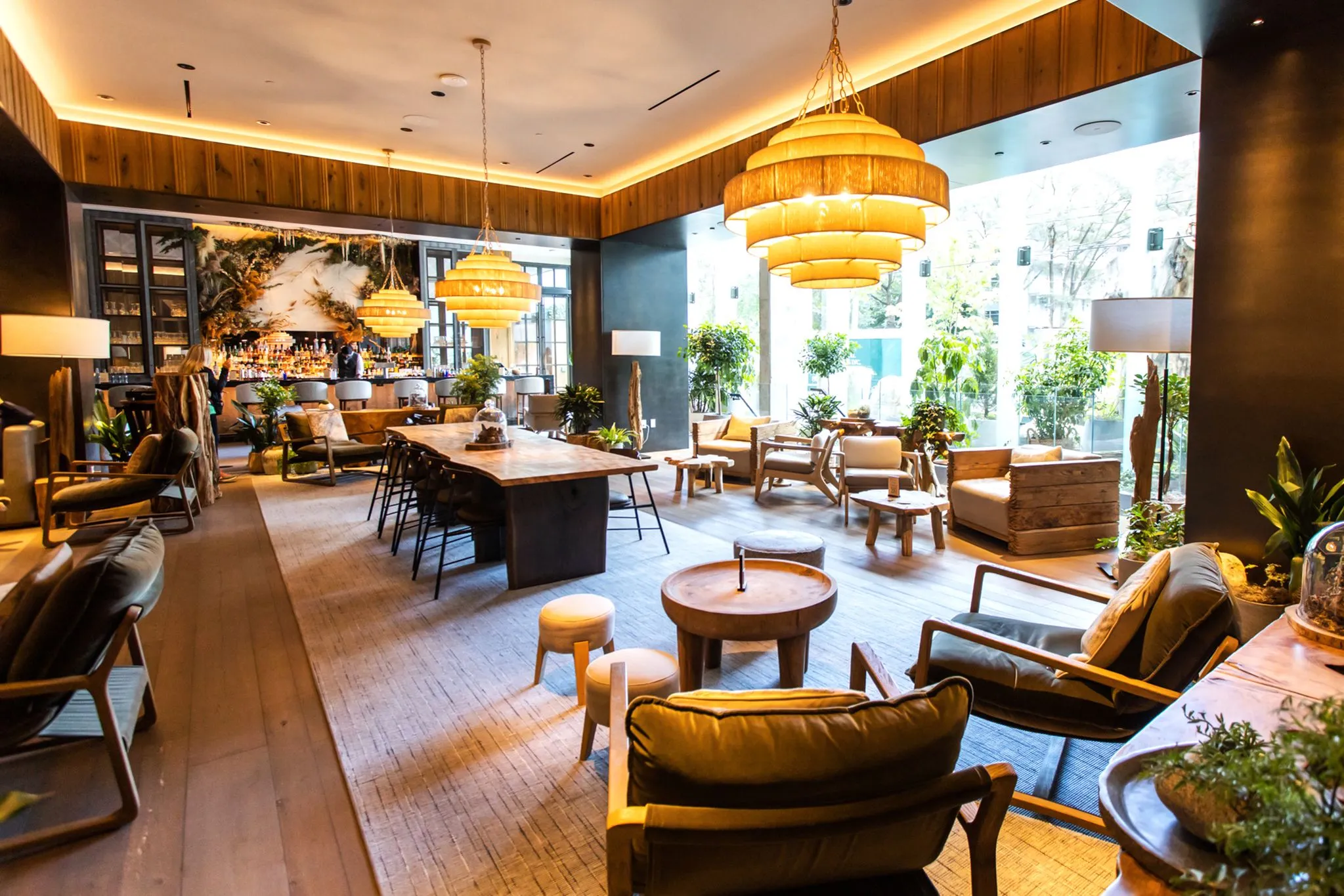
Why Boutique Hotels Continue to Influence Luxury Interiors
The design world keeps looking to Boutique Hotels for one simple reason: they package architecture, interiors, branding, and experience into one sharp idea. A hotel has to convince fast. It must create a feeling the moment a guest arrives. That pressure often produces stronger design decisions.
Luxury residences, branded developments, and even furniture showrooms now borrow from that model. They aim for the same emotional clarity, tactile richness, and narrative cohesion that the best boutique hotels achieve so well.
For design professionals, these hotels remain some of the most useful references available. They show what happens when architecture leads, interiors support, and every object belongs.
Fame and Style in Boutique Hotels
Boutique Hotels offer far more than stylish travel. They set benchmarks for spatial storytelling, material discipline, and luxury identity. From adaptive reuse projects in Amsterdam to serene urban sanctuaries in Tokyo and immersive design hotels in Australia and South Tyrol, these properties prove that boutique hospitality can still push design culture forward.
For interior designers, furniture brands, architects, and luxury design studios, they are not just destinations. They are masterclasses.