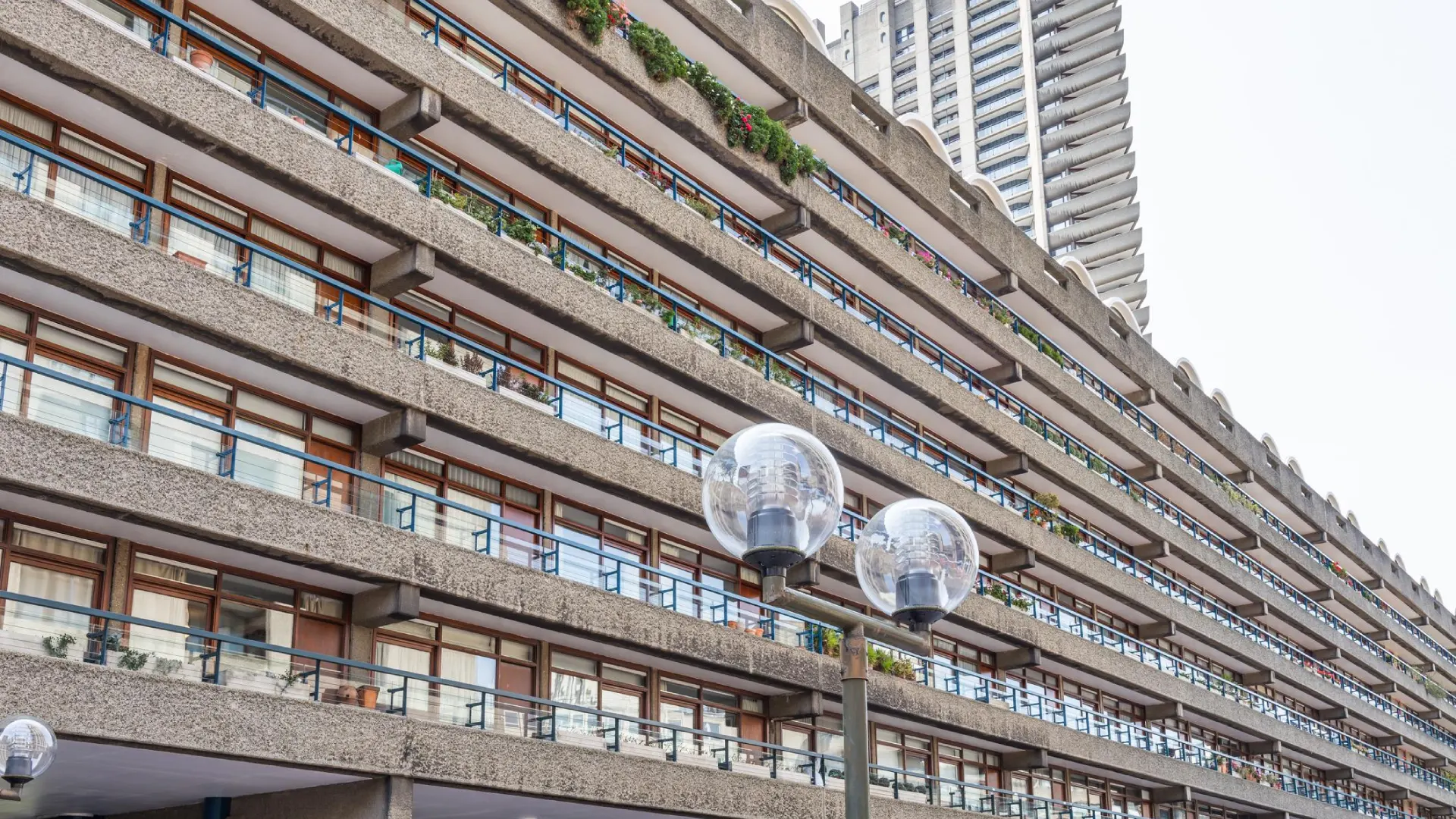

Few residential developments in the world command as much architectural reverence as the Barbican Estate. Rising from the heart of London’s Square Mile, the iconic complex stands as one of the most ambitious expressions of post-war urban planning in Europe. Designed by the visionary trio Chamberlin, Powell and Bon, the estate is a masterpiece of brutalist apartments, where bold geometry, textured concrete, and elevated walkways create a self-contained architectural city within the city.
Yet beyond its monumental exterior lies one of the estate’s most fascinating characteristics: its remarkably unusual apartment layouts. Far from standardized urban housing, the interiors of the Barbican Estate reveal a sophisticated interplay of levels, sightlines, and spatial experimentation that continues to intrigue architects and luxury interior design professionals today. These homes were conceived not merely as residences but as carefully choreographed living environments—spaces that challenge traditional domestic architecture while offering an unexpectedly refined sense of comfort.
For designers, collectors, and global real estate observers, the Barbican Estate represents an enduring case study in how radical architectural ideas can translate into distinctive, highly desirable homes. Exploring the estate’s unusual apartment configurations offers insight into a design philosophy that remains strikingly relevant in contemporary luxury interior design.
The Vision Behind the Barbican Estate
Completed in stages between the late 1960s and early 1980s, the Barbican Estate emerged as part of London’s ambitious post-war reconstruction efforts. The architects sought to create a new kind of urban living environment—one that combined cultural institutions, landscaped public spaces, and residential towers within a cohesive architectural composition.
Unlike many modern housing developments, the estate prioritized spatial diversity. Instead of repeating uniform units, the architects introduced multiple apartment typologies, each with its own orientation, levels, and spatial character. The result was a remarkable collection of brutalist apartments that defy conventional residential planning.
Today, the estate remains internationally recognized as a landmark of brutalist architecture. The Barbican Estate is listed as a Grade II complex in the United Kingdom, celebrated for both its urban planning and its experimental domestic layouts. Architectural historians frequently reference the development as one of the most complete realizations of post-war modernism in Europe.
For deeper historical context, the Royal Institute of British Architects offers an authoritative overview of the estate’s architectural significance.
Why Barbican Apartments Feel So Unusual
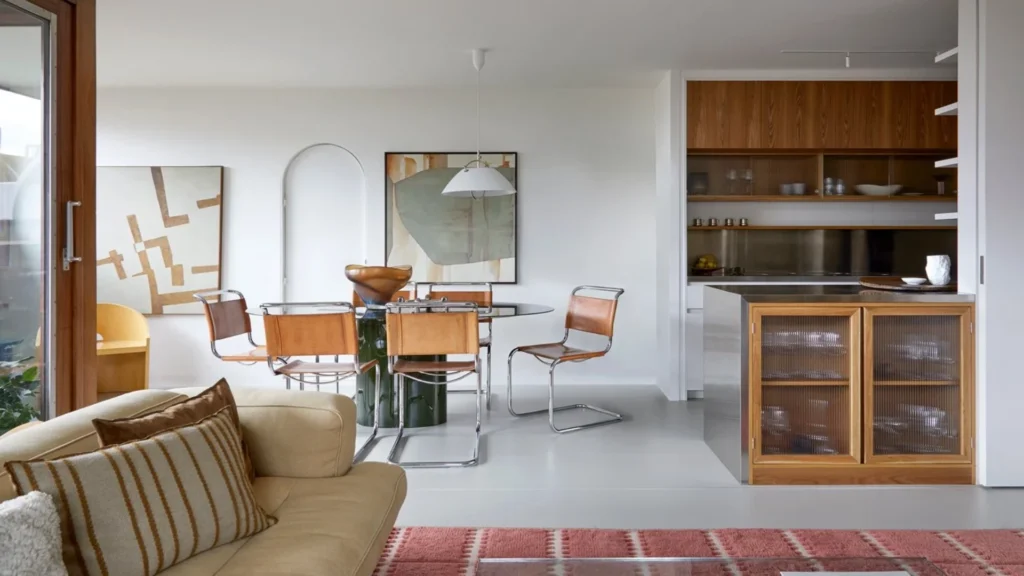
Step inside one of the estate’s residences and the experience quickly diverges from conventional city apartments. The defining feature of many homes in the Barbican Estate is their split-level planning, which introduces dynamic spatial transitions rather than flat, continuous floors.
Instead of a single plane of living space, many brutalist apartments unfold across multiple half-levels connected by short staircases. This architectural device creates a sense of movement within the home, allowing rooms to flow into one another while maintaining subtle distinctions between social and private zones.
These layouts were designed with several objectives in mind:
- Maximizing natural light through strategic window placement
- Enhancing spatial drama within relatively compact footprints
- Separating living functions without relying on excessive walls
- Framing views toward the estate’s gardens and water features
The result is an interior experience that feels both intimate and architecturally expressive—qualities that continue to inspire modern luxury interior design.
The Iconic Split-Level Living Room
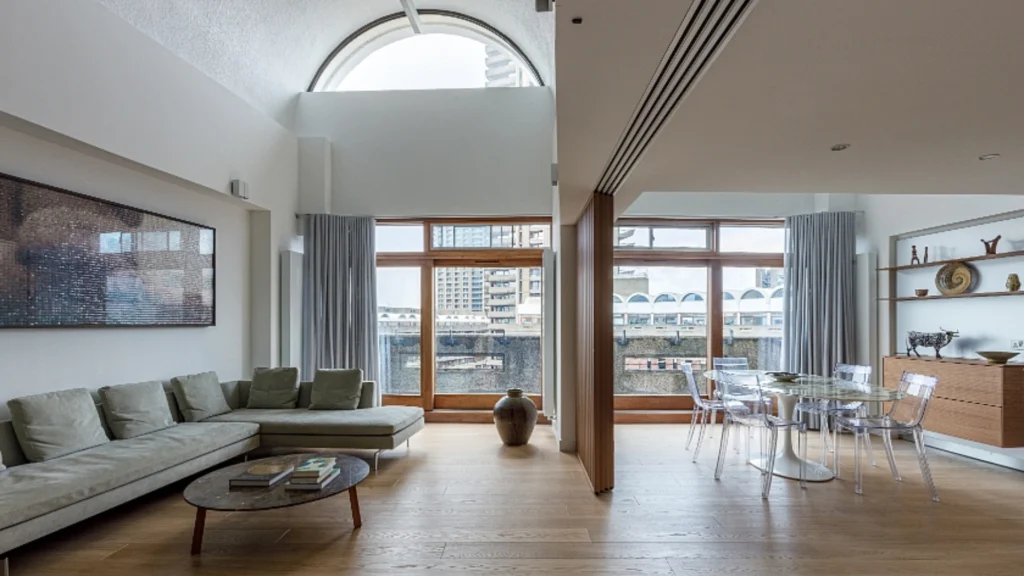
Perhaps the most recognizable feature within many Barbican Estate residences is the split-level living room. Typically, the main social space sits slightly below or above the dining area, connected by a short run of steps.
This subtle vertical separation produces several architectural effects. First, it introduces a feeling of depth and layered perspective rarely found in typical apartments. Second, it enhances the dramatic impact of the estate’s expansive windows, which often extend across entire walls.
From a luxury interior design perspective, these living rooms offer exceptional design opportunities. The varied levels allow designers to create distinct atmospheres within a single open space—whether through sculptural furniture arrangements, layered lighting strategies, or carefully curated materials.
Many contemporary renovations of brutalist apartments within the estate embrace the architectural framework while introducing warmer textures such as natural oak, limestone, and refined textiles. The dialogue between raw concrete structure and sophisticated interiors has become a hallmark of modern Barbican living.
Duplex Residences and Vertical Living
Another distinctive feature of the Barbican Estate is its collection of duplex apartments. These homes extend across two full levels, creating a vertical residential experience more commonly associated with townhouses than urban apartments.
Within these duplex layouts, the architects carefully orchestrated the relationship between public and private spaces. Living and dining areas often occupy the lower level, while bedrooms are positioned above—offering privacy without sacrificing connectivity.
This vertical layering produces several design advantages:
- Greater separation between entertaining and resting areas
- Enhanced ceiling heights in key social spaces
- Improved acoustic privacy
- More dramatic interior architecture
For buyers seeking distinctive brutalist apartments, these duplex configurations remain among the most sought-after homes within the Barbican Estate. Their architectural complexity provides a compelling canvas for contemporary luxury interior design.
The Role of Windows and Sightlines
One of the most remarkable aspects of the Barbican Estate interiors is the relationship between apartment layouts and exterior views. The architects understood that the estate’s sculptural towers and landscaped courtyards deserved to be experienced from within the home.
As a result, many brutalist apartments feature expansive glazing systems that frame carefully composed vistas across the complex. In some residences, floor-to-ceiling windows stretch across entire living areas, blurring the boundary between architecture and landscape.
The unusual apartment layouts amplify these views by directing movement toward them. Staircases, corridors, and split-level transitions often culminate in dramatic visual moments—an architectural strategy that continues to influence contemporary luxury interior design.
Materiality: Brutalism Meets Refinement
Although the exterior of the Barbican Estate is synonymous with raw concrete surfaces, the interiors reveal a far more nuanced material palette. The original apartments were designed with carefully selected finishes that softened the starkness often associated with brutalism.
Traditional elements included:
- Warm timber cabinetry
- Custom built-in shelving
- Natural stone surfaces
- Minimalist metal detailing
In contemporary renovations, designers often reinterpret these materials through the lens of modern luxury interior design. The result is a harmonious balance between the estate’s structural honesty and the refined sensibilities of modern living.
Many updated brutalist apartments now incorporate understated luxury elements such as sculptural lighting, bespoke furniture, and curated art collections—demonstrating how the architectural framework of the Barbican Estate remains adaptable to evolving design cultures.
Why Designers and Collectors Are Drawn to the Barbican
Over the past decade, the Barbican Estate has experienced renewed interest from international buyers, architects, and cultural tastemakers. What was once considered a radical experiment in urban housing is now viewed as one of London’s most desirable addresses.
Several factors contribute to this renewed fascination:
- Architectural authenticity rarely found in contemporary developments
- Distinctive apartment layouts that resist standardization
- Historical significance within modern architectural history
- Exceptional cultural context surrounding the Barbican Centre
For collectors of architectural homes, the estate offers something increasingly rare in global real estate: residences with genuine design pedigree. Each apartment within the Barbican Estate possesses its own spatial identity, ensuring that no two homes feel exactly alike.
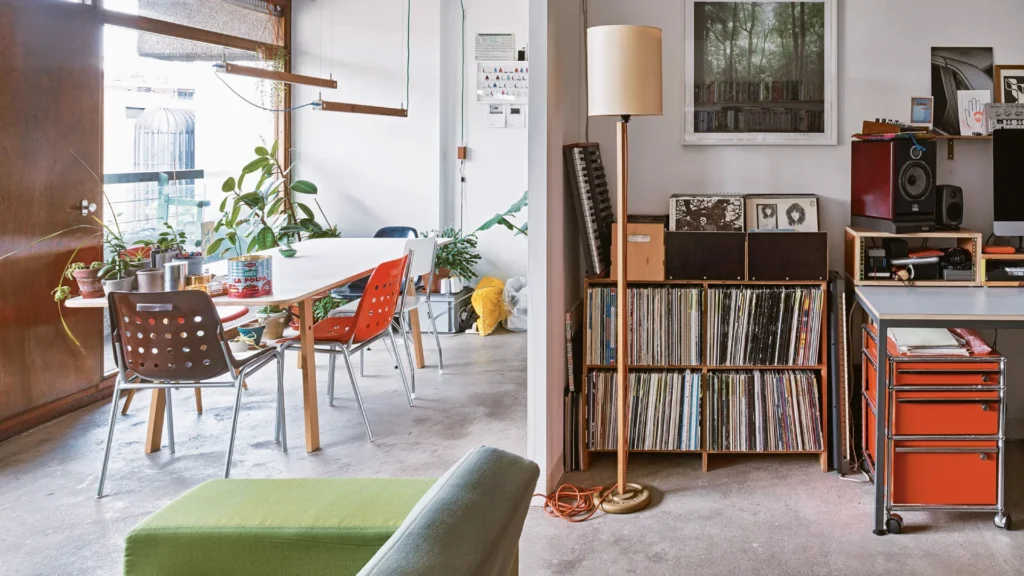
Lessons for Contemporary Luxury Interior Design
The enduring appeal of the Barbican Estate demonstrates that unconventional layouts can enrich the residential experience rather than complicate it. For today’s architects and interior designers, the estate provides several valuable lessons.
- Spatial variation creates emotional depth within compact homes
- Vertical layering enhances architectural drama
- Material contrast strengthens visual interest
- Views should guide spatial organization
These principles increasingly inform modern luxury interior design, particularly in cities where architects must maximize both functionality and experiential quality within limited space.
Many contemporary residential projects—from New York to Tokyo—now explore split-level planning, sculptural staircases, and dynamic floor plates reminiscent of the estate’s pioneering brutalist apartments.
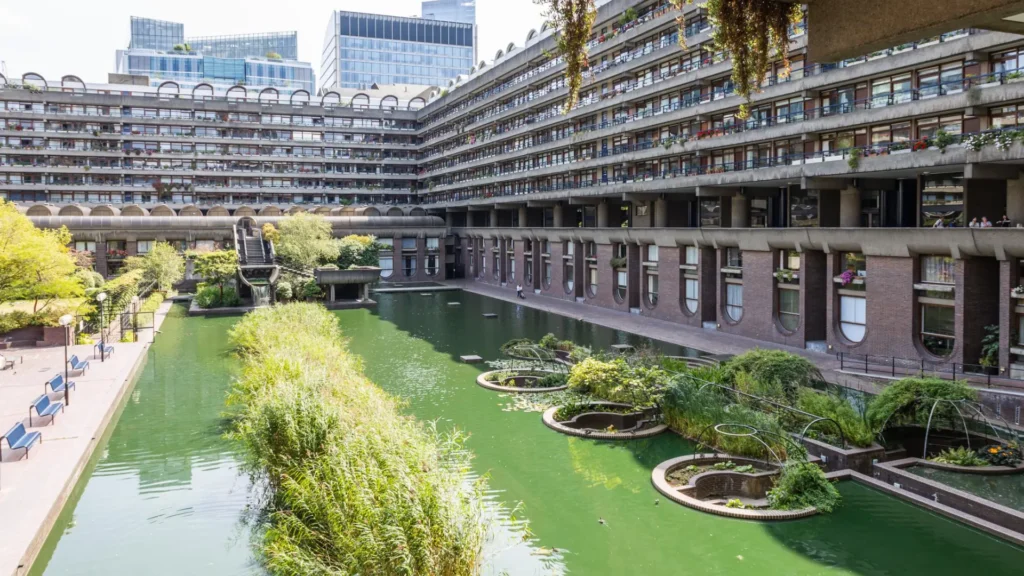
The Enduring Legacy of the Barbican Estate
More than half a century after its conception, the Barbican Estate remains one of the most compelling residential environments in modern architecture. Its unusual apartment layouts continue to challenge expectations of urban living while offering a uniquely sophisticated domestic experience.
For design professionals and global real estate observers, the estate stands as a reminder that great architecture does more than provide shelter—it shapes the way people inhabit space. The layered interiors of these brutalist apartments demonstrate how thoughtful planning can transform even compact homes into architectural journeys.
As contemporary luxury interior design evolves, the Barbican’s pioneering approach to spatial complexity feels increasingly relevant. In an era of standardized developments, its unconventional apartments offer something far more valuable: individuality, architectural integrity, and a timeless sense of design innovation.