The definition of modern luxury continues to evolve across architecture and interior design. For decades, minimalism dominated high end residential and hospitality spaces with its restrained palettes, clean geometry, and emphasis on simplicity. Today, however, maximalism has reemerged with renewed sophistication, bringing layered textures, expressive forms, bold materials, and curated artistic identities into luxury interiors.
This growing contrast between minimalism and maximalism has become one of the most influential conversations shaping contemporary architecture and interior design. Luxury design studios, architects, and premium furniture brands increasingly navigate between these two philosophies while responding to changing client expectations and global aesthetic trends.
The question is no longer whether one style replaces the other. Instead, the industry now asks which approach better defines modern luxury in today’s cultural and architectural landscape.
The Enduring Appeal of Minimalism in Modern Luxury
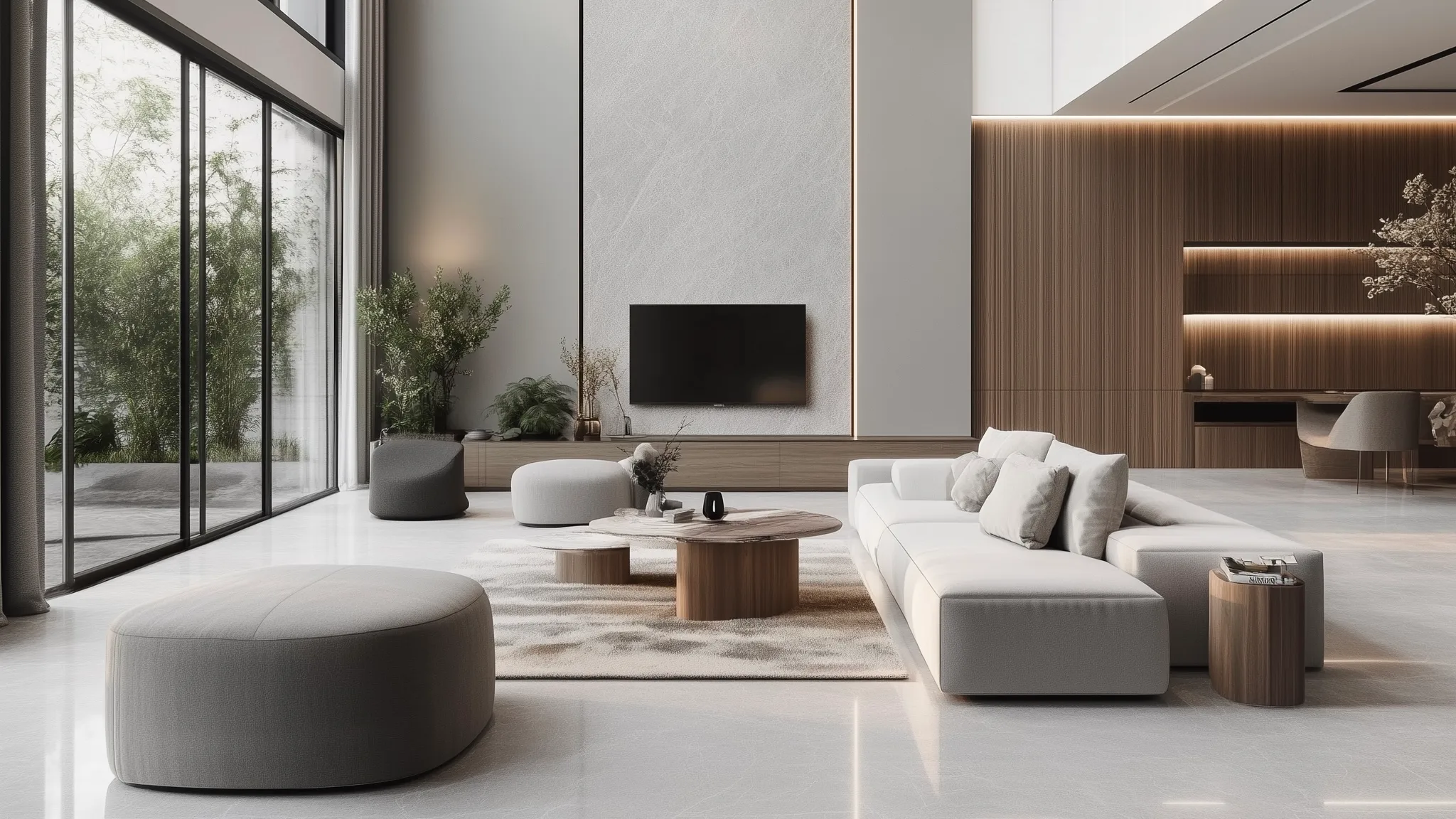
Minimalism became synonymous with modern luxury because it communicates clarity, precision, and spatial calm. Influenced by modernist architecture and Japanese spatial philosophy, minimalist interiors focus on proportion, material integrity, and controlled visual composition.
Luxury minimalism depends heavily on quality rather than quantity. Every material, surface, and object carries greater significance because fewer elements occupy the space. Natural stone, brushed metals, warm woods, and architectural lighting become focal points within restrained environments.
Architects often use minimalist principles to emphasize spatial continuity and natural light. Open floor plans, concealed storage, frameless detailing, and uninterrupted material palettes create environments that feel serene and timeless.
For many luxury homeowners and hospitality brands, this aesthetic still represents the highest form of sophistication. Minimalist spaces project confidence through restraint. They avoid visual noise and prioritize atmosphere over decoration.
Modern luxury within minimalist architecture also aligns with contemporary wellness trends. Calm interiors support relaxation, mental clarity, and emotional comfort, especially in urban residences and boutique hospitality projects.
This explains why many leading luxury brands continue investing in minimalist interiors for flagship stores, penthouses, and private villas.
Why Maximalism Has Returned to Contemporary Design
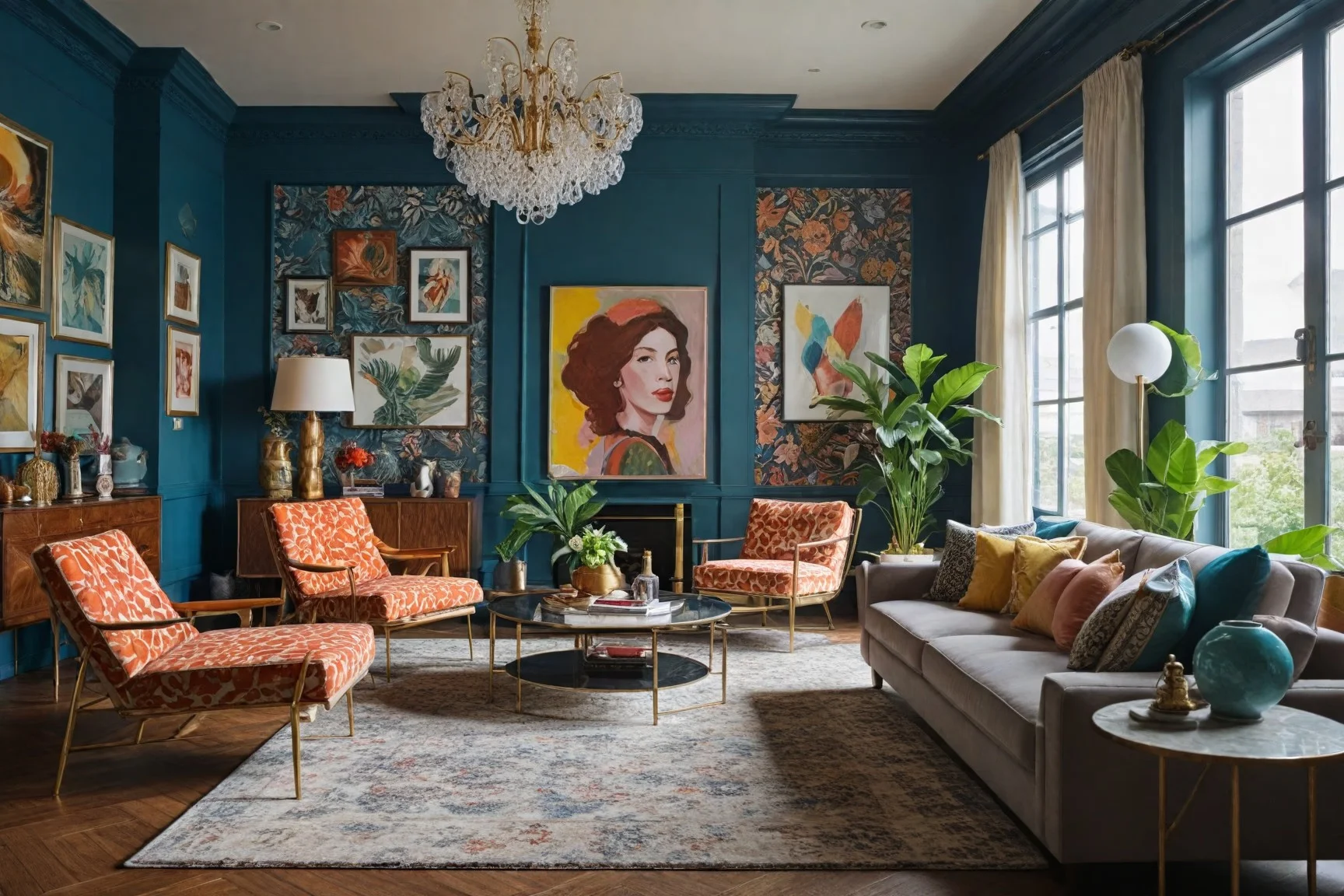
Despite the lasting influence of minimalism, maximalism has gained substantial momentum within luxury interiors over the last decade. Contemporary maximalism differs significantly from the ornate excess often associated with earlier decorative styles.
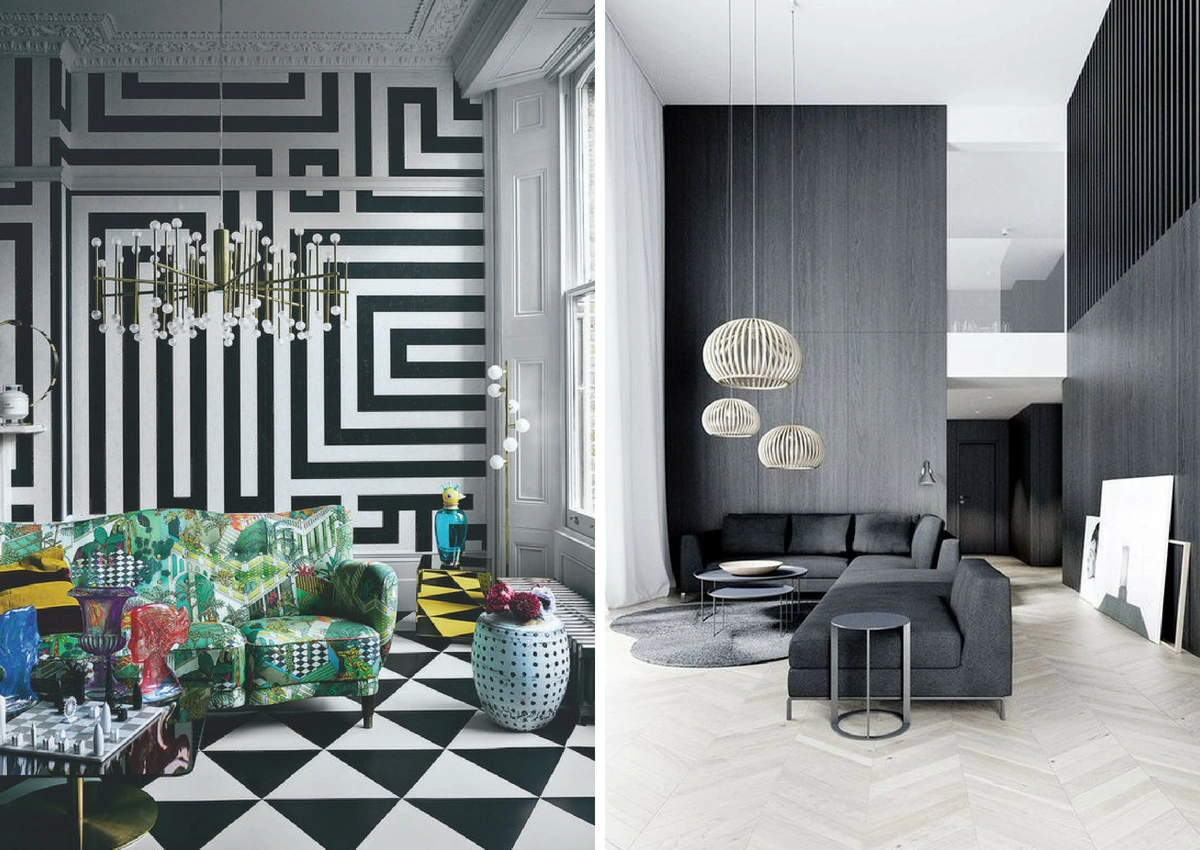
Today’s maximalist interiors focus on curated richness rather than visual chaos. Designers layer materials, textures, artwork, sculptural furniture, custom lighting, and artisanal details to create emotionally engaging environments.
In many cases, maximalism reflects a growing desire for individuality within luxury design. As global interiors became increasingly uniform through minimalist trends, clients began seeking spaces with stronger personality and cultural identity.
Modern luxury now often includes expressive storytelling, collectible design, and handcrafted elements that create visual depth. Rich marbles, lacquered finishes, velvet upholstery, bronze accents, statement lighting, and dramatic color palettes have returned to premium residential and hospitality interiors.
Luxury hotels, private clubs, and high end restaurants especially embrace maximalist influences because immersive environments create memorable experiences. Texture, contrast, and visual layering help define atmosphere and emotional identity.
This evolution has also benefited furniture brands and collectible design galleries. Sculptural furniture pieces and artistic objects now play larger roles within architectural composition, allowing interiors to feel curated rather than purely functional.
Materiality Defines Both Approaches
Although minimalism and maximalism appear visually opposite, both rely heavily on material sophistication to communicate modern luxury.
Minimalist interiors require flawless execution because imperfections become immediately visible within restrained environments. Material transitions, joinery precision, lighting integration, and architectural detailing must achieve exceptional refinement.
Maximalist interiors demand equally careful curation. Successful maximalism balances richness with composition. Without discipline, layered interiors risk feeling cluttered instead of luxurious.
In both styles, premium materials remain essential. Natural stone, handcrafted woodwork, textured fabrics, artisan ceramics, architectural metals, and bespoke furniture distinguish luxury interiors from mass market aesthetics.
This emphasis on craftsmanship explains why luxury design studios increasingly blur the boundaries between minimalism and maximalism. Many contemporary projects combine minimalist architectural frameworks with selectively maximalist furnishings or artistic interventions.
The result creates environments that feel both sophisticated and emotionally engaging.
Hospitality Design Reflects the Shift
The hospitality sector provides one of the clearest examples of how modern luxury evolves between minimalist and maximalist influences.
Luxury resorts often continue embracing minimalist architecture because open spaces and restrained palettes strengthen the connection between interior and landscape. Coastal villas, wellness retreats, and contemporary resorts frequently prioritize calmness, natural materials, and spatial simplicity.
Urban hospitality projects, however, increasingly favor maximalist interiors that create immersive identities. Boutique hotels, members clubs, and destination restaurants use layered aesthetics to differentiate themselves within competitive luxury markets.
Guests no longer seek only comfort. They also seek memorable experiences and visually distinctive environments. Maximalist interiors provide opportunities for storytelling through lighting, art collections, furniture, and material contrasts.
As a result, many hospitality architects now combine minimalist spatial planning with richer decorative layering to satisfy both emotional and functional expectations.
Social Media and the Evolution of Luxury Aesthetics
Digital culture has also influenced the relationship between minimalism and maximalism in modern luxury interiors.
Minimalist spaces once dominated design publications because their clean compositions photographed beautifully and projected exclusivity. Today, however, visually rich interiors perform exceptionally well across social media platforms because they generate stronger emotional and visual engagement.
Bold textures, sculptural forms, layered lighting, and dramatic compositions create interiors that feel immersive both physically and digitally.
This shift has encouraged luxury brands and developers to embrace more expressive design languages. Statement interiors now function as part of brand identity and marketing strategy.
At the same time, many affluent clients still value the tranquility and longevity associated with minimalist architecture. This tension continues shaping contemporary luxury design worldwide.
The Rise of Hybrid Luxury Interiors
Increasingly, the most influential luxury interiors combine elements from both philosophies rather than adhering strictly to one style.
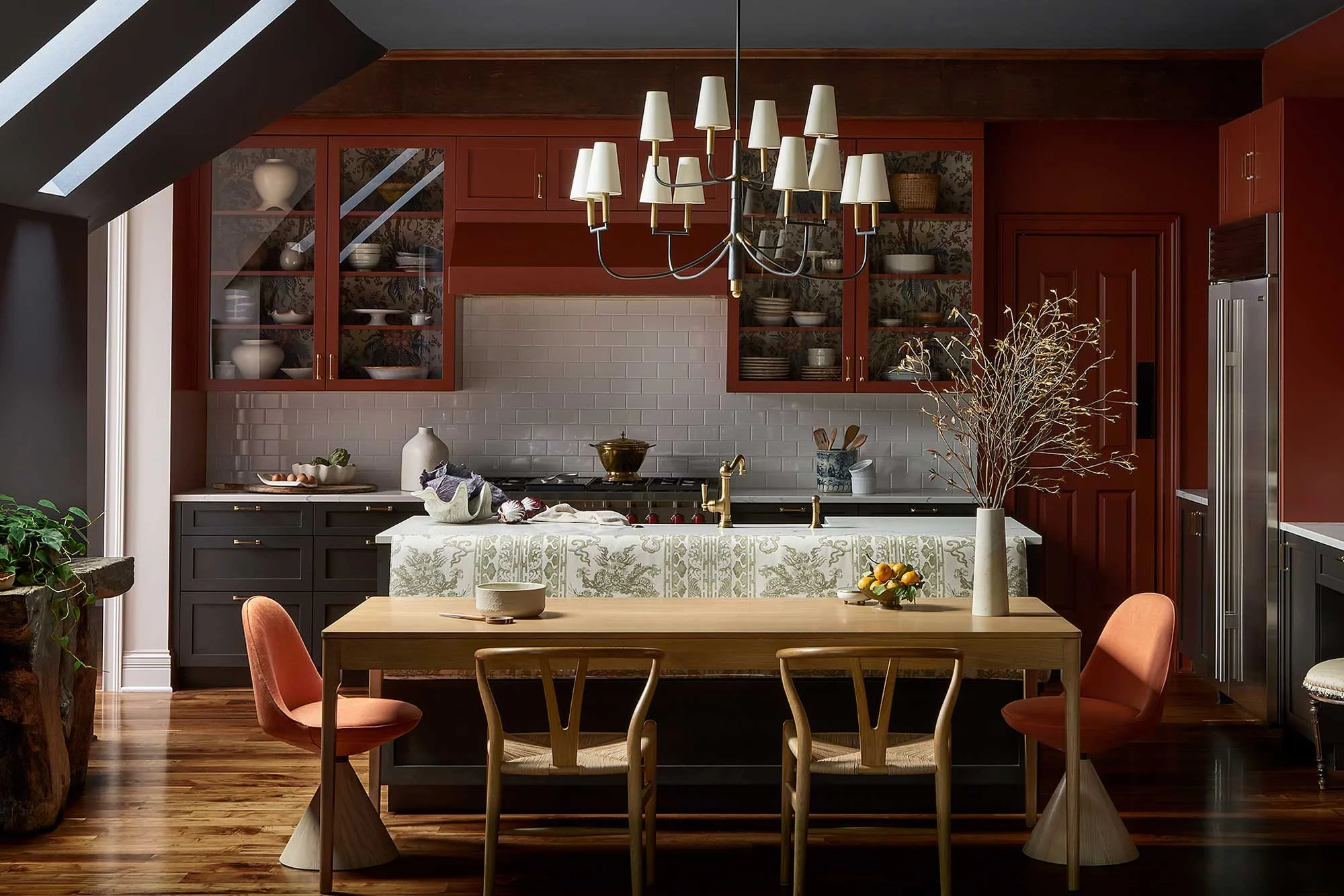
Architectural minimalism often provides the foundation through clean geometry, spatial openness, and disciplined material palettes. Maximalist elements then introduce warmth, personality, and artistic complexity through furniture, textiles, lighting, and curated objects.
This hybrid approach reflects the broader evolution of modern luxury itself. Contemporary luxury no longer depends solely on visual restraint or decorative abundance. Instead, it prioritizes emotional resonance, craftsmanship, personalization, and cultural sophistication.
Luxury clients today seek interiors that feel authentic and experiential rather than formulaic. As a result, architects and interior designers increasingly move fluidly between minimalism and maximalism depending on project context and client identity.
Which Style Truly Defines Modern Luxury?
Neither minimalism nor maximalism fully owns the definition of modern luxury. Both philosophies continue shaping the future of architecture and interior design in different ways.
Minimalism represents timeless sophistication, precision, and spatial serenity. Maximalism offers individuality, emotional richness, and curated identity.
The most compelling luxury interiors today often emerge from the dialogue between the two. Architects and designers who successfully balance restraint with expression create spaces that feel contemporary, immersive, and enduring.
Modern luxury ultimately depends less on stylistic labels and more on the quality of experience a space delivers. Whether minimalist or maximalist, exceptional interiors share the same foundations: craftsmanship, material integrity, thoughtful composition, and emotional depth.