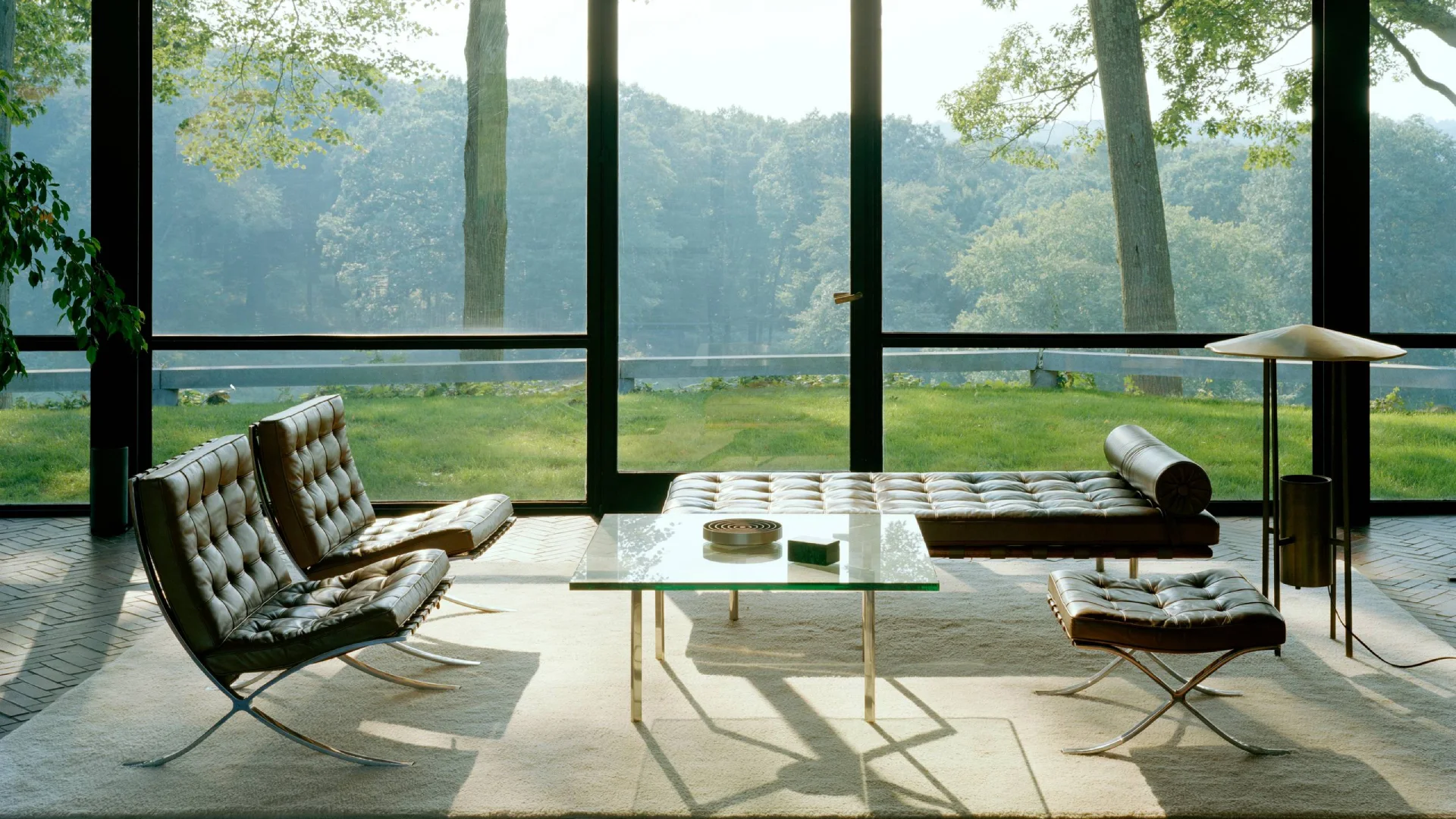
Across global design capitals—from Berlin and Milan to Brooklyn and Tokyo—a compelling shift is unfolding in contemporary interiors. Furniture is no longer simply functional; it has become architectural in presence, sculptural in form, and intellectually rooted in design history. The renewed fascination with architectural furniture reflects a broader cultural movement toward spaces where form, structure, and artistry converge.
At the center of this revival lies a powerful lineage that begins with the radical ideas of the early twentieth century. The ethos of Bauhaus furniture—where art, craft, and architecture merged—continues to shape today’s design language. Yet the modern reinterpretation extends beyond strict minimalism. Designers now create contemporary sculptural furniture that feels monumental, expressive, and perfectly suited to modern architectural interiors.
From the intellectual rigor of the Bauhaus school to the experimental studios of Brooklyn, architectural furniture is experiencing a renaissance. The result is a design movement that resonates deeply with architects, collectors, and cultural tastemakers who see furniture not merely as objects, but as spatial statements.
The Bauhaus Foundation: Where Architecture Met Furniture
To understand the current revival of architectural furniture, one must begin with the Bauhaus movement. Founded in 1919 in Germany by Walter Gropius, the Bauhaus school revolutionized design by dissolving the boundaries between architecture, industrial design, and fine art.
Designers such as Marcel Breuer, Ludwig Mies van der Rohe, and Josef Albers believed that furniture should reflect the same clarity and structural honesty as buildings. Tubular steel chairs, geometric tables, and modular storage systems embodied the Bauhaus philosophy: simplicity, rationality, and a deep respect for material integrity.
What made Bauhaus furniture revolutionary was its architectural thinking. Instead of ornamental decoration, designers focused on structural expression. Lines were reduced to essentials; materials such as steel, leather, and bent plywood revealed their inherent beauty.
This approach established a lasting blueprint for modern design. Today’s architectural furniture movement continues to draw from this legacy, interpreting Bauhaus principles through new technologies, materials, and spatial sensibilities.
Key Principles That Continue to Influence Design
- Structural honesty — furniture that reveals how it is constructed
- Geometric clarity — clean lines and precise proportions
- Integration with architecture — pieces designed in dialogue with space
- Material authenticity — celebrating steel, wood, stone, and glass
- Functional beauty — design that balances aesthetics and purpose
These principles remain central to the resurgence of architectural furniture today.
The Rise of Contemporary Sculptural Furniture
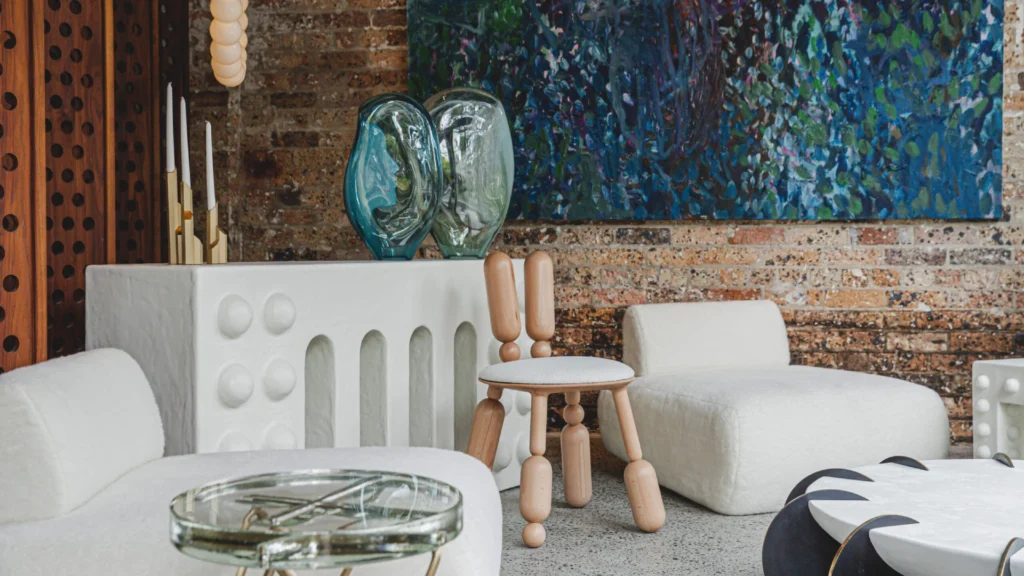
While Bauhaus introduced disciplined minimalism, contemporary designers are expanding the vocabulary of architectural furniture into sculptural territory. The new generation embraces expressive forms, tactile materials, and pieces that function almost as inhabitable sculptures.
In galleries, luxury residences, and boutique hotels, contemporary sculptural furniture now occupies spaces once reserved for art installations. Massive travertine tables, monolithic sofas, and fluid bronze seating pieces command attention within modern architectural interiors.
The shift reflects a broader evolution in design culture: interiors are increasingly curated like private collections. Furniture is chosen not only for comfort but for its ability to anchor a room visually and conceptually.
Materials Defining the New Architectural Furniture
The material palette used in contemporary architectural furniture often mirrors that of architecture itself.
- Natural stone such as travertine, marble, and limestone
- Brushed metals including stainless steel and bronze
- Solid oak and walnut with expressive grain
- Cast concrete and resin composites
- Hand-finished plaster and textured surfaces
These materials lend furniture a sense of permanence and gravitas, reinforcing the architectural dimension of each piece.
From Bauhaus to Brooklyn: The New Creative Epicenter
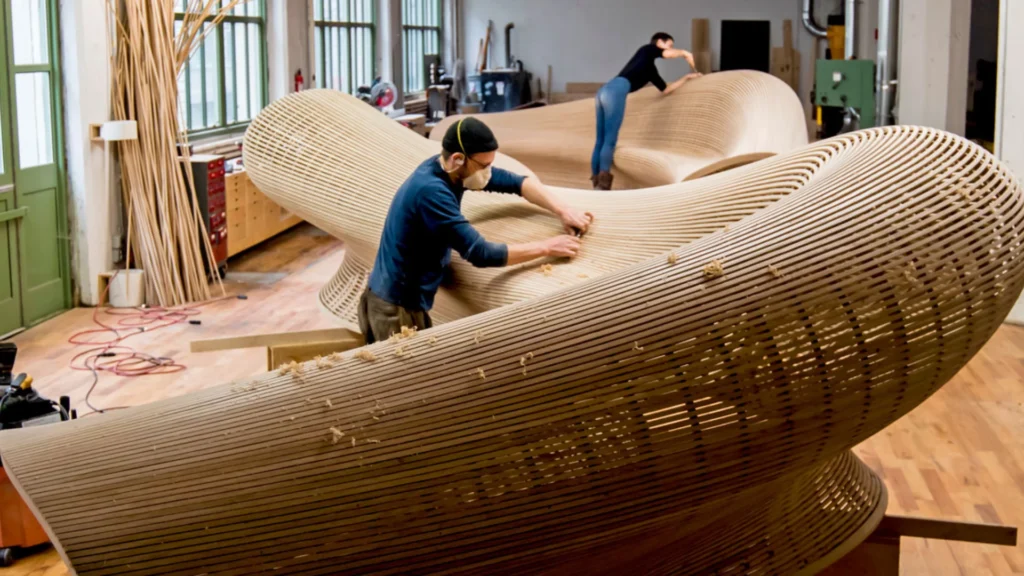
Brooklyn has emerged as one of the most influential laboratories for contemporary architectural furniture. In neighborhoods like Red Hook, Greenpoint, and Williamsburg, designers operate hybrid studios that combine craftsmanship with experimental design thinking.
These ateliers reinterpret the intellectual rigor of Bauhaus furniture through a distinctly contemporary lens. Rather than mass production alone, many studios produce limited collections that blur the line between collectible design and functional furniture.
The Brooklyn design ecosystem thrives on collaboration between architects, artists, and fabricators. As a result, furniture pieces often evolve from architectural concepts—models, structural studies, and spatial experiments.
This cross-disciplinary approach reflects the Bauhaus spirit while pushing architectural furniture toward a more expressive future.
Why Brooklyn Became a Hub for Architectural Furniture
- A vibrant community of independent designers and artisans
- Access to advanced fabrication workshops
- Proximity to leading architecture and design firms
- A culture that values experimentation and craftsmanship
- Growing demand for collectible design among global collectors
Together, these conditions have fostered a creative environment where contemporary sculptural furniture flourishes.
Architectural Furniture in Modern Architectural Interiors
The resurgence of architectural furniture is closely tied to changes in how luxury interiors are conceived. Architects increasingly treat furniture as an extension of spatial composition rather than as an afterthought.
In modern architectural interiors, furniture defines circulation, frames views, and establishes visual rhythm. A sculptural sofa may function like a low architectural wall; a monumental dining table becomes the gravitational center of a room.
This integration between architecture and furniture echoes Bauhaus ideals but responds to contemporary lifestyles that prioritize openness, flexibility, and artistic expression.
How Designers Integrate Architectural Furniture
- Aligning furniture geometry with architectural lines
- Using materials that mirror the building palette
- Positioning statement pieces as spatial anchors
- Balancing sculptural objects with minimal surroundings
- Creating dialogue between furniture and natural light
When executed thoughtfully, architectural furniture enhances spatial clarity while introducing a powerful visual identity.
The Role of Collectible Design and Luxury Real Estate
The renewed interest in architectural furniture also reflects broader shifts in the luxury real estate and collectible design markets. High-net-worth collectors increasingly seek interiors that feel unique, curated, and culturally informed.
In premium residences—from Manhattan penthouses to coastal villas in the Mediterranean—contemporary sculptural furniture functions as both functional object and collectible asset.
Developers and architects now collaborate with designers to create signature interiors where furniture pieces are conceived alongside the architecture itself. This approach elevates the entire living environment into a unified design narrative.
According to the design history archive of the
Bauhaus Dessau Foundation, the original Bauhaus movement envisioned precisely this synthesis between architecture, design, and everyday life—a vision that continues to influence today’s architectural furniture revival.
Why Architectural Furniture Resonates Today
Several cultural and aesthetic forces explain why architectural furniture has returned to prominence.
A Desire for Timeless Design
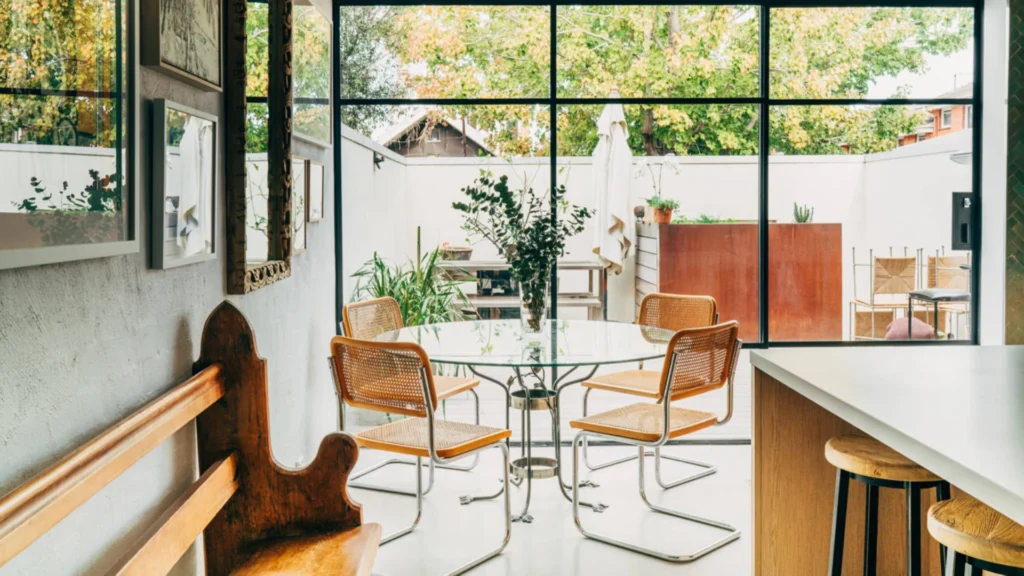
In an era of fast consumption, designers and collectors increasingly value pieces with lasting architectural integrity. The structural clarity of Bauhaus furniture and its contemporary reinterpretations offers precisely that durability.
The Influence of Minimalist Architecture
As residential architecture embraces clean lines and open volumes, interiors require furniture capable of holding visual weight. Contemporary sculptural furniture provides the necessary presence without overwhelming the space.
The Blurring of Art and Design
The contemporary design world increasingly views furniture as functional art. Architectural furniture embodies this philosophy by merging sculptural expression with everyday usability.
The Future of Architectural Furniture
Looking ahead, the evolution of architectural furniture is likely to accelerate as digital fabrication, sustainable materials, and cross-disciplinary collaboration continue to expand creative possibilities.
Parametric design tools now allow designers to explore complex geometries previously impossible to manufacture. At the same time, growing interest in sustainable design encourages the use of responsibly sourced wood, recycled metals, and innovative composites.
The next generation of architectural furniture will likely combine these technologies with the timeless principles established by Bauhaus: clarity, material honesty, and integration with architecture.
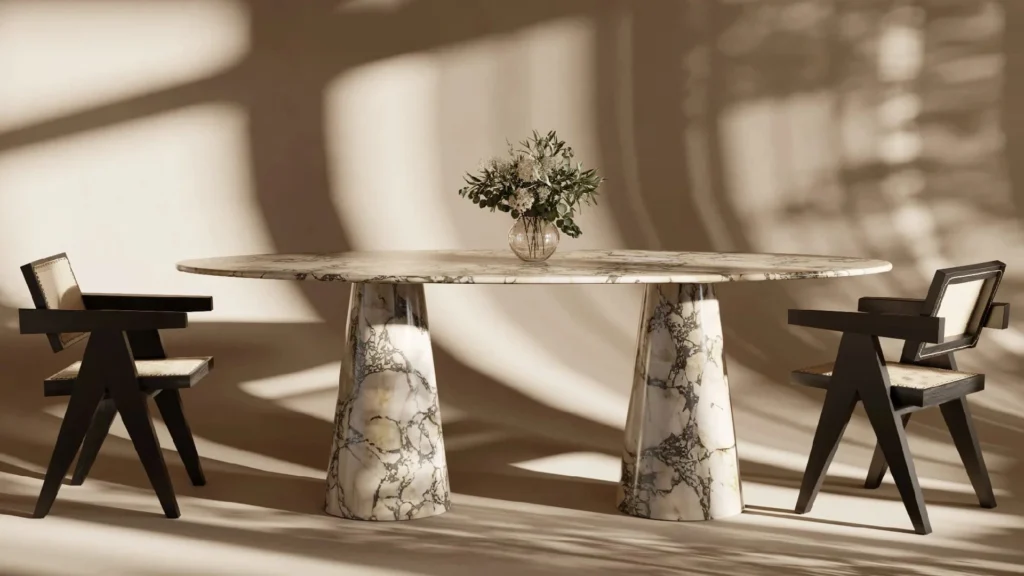
A Dialogue Between Past and Future
The revival of architectural furniture represents far more than a passing design trend. It is a cultural rediscovery of ideas that first emerged at the Bauhaus more than a century ago—ideas that view furniture as an integral component of architectural space.
Today’s designers reinterpret those principles through the language of contemporary sculptural furniture, crafting pieces that possess both structural rigor and artistic presence. From experimental studios in Brooklyn to refined residences across the globe, architectural furniture continues to shape the identity of modern architectural interiors.
Ultimately, this movement reminds us that furniture, like architecture, has the power to shape how we inhabit space. When form, structure, and craftsmanship converge, design transcends function and becomes an enduring expression of culture, creativity, and human aspiration.