

In contemporary interiors, light is no longer a supporting character—it is a defining force. The dialogue between ambient lighting and functional lighting shapes how architecture is perceived, how objects are experienced, and how daily life unfolds within a space. For architects, interior designers, and discerning homeowners alike, achieving balance in lighting design is both a technical challenge and a cultural statement.
As living and working environments become more fluid, the distinction between atmosphere and utility grows increasingly nuanced. This article explores how ambient lighting and functional lighting can coexist harmoniously, offering clarity for professionals and high-net-worth individuals seeking interiors that are both beautiful and intelligent.
Understanding the Foundations of Lighting Design
Before balance can be achieved, it is essential to understand the roles each lighting layer plays. Successful lighting design is never accidental; it is a considered composition built on hierarchy, proportion, and intent.
What Is Ambient Lighting?
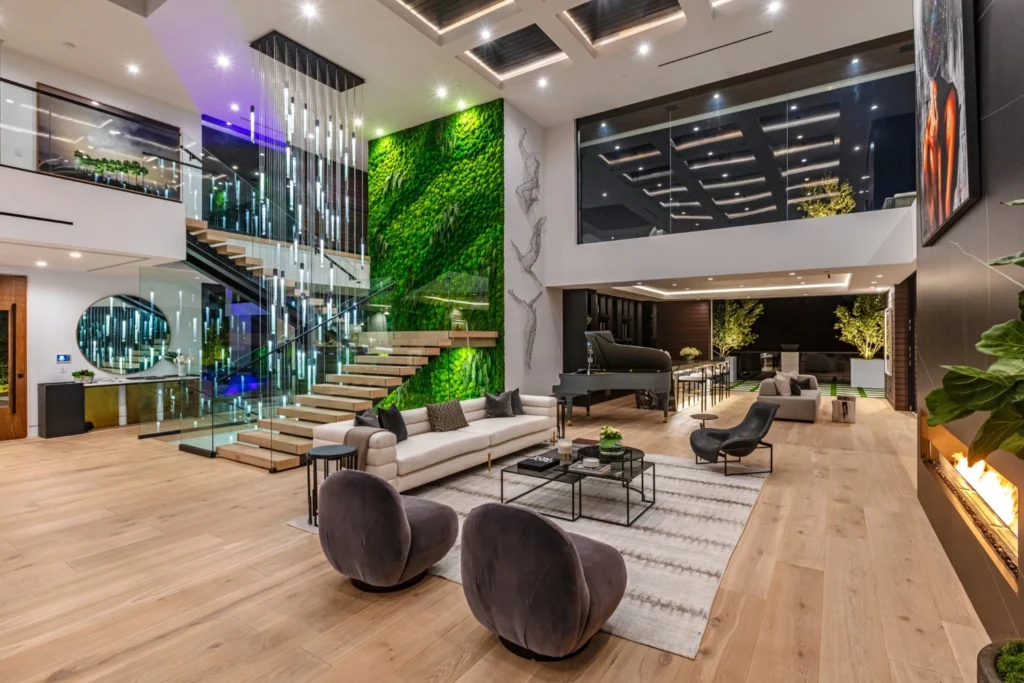
Ambient lighting refers to the general illumination of a space. It provides overall brightness, establishes mood, and allows occupants to move comfortably without visual strain. Often indirect and diffused, ambient lighting defines the emotional temperature of an interior.
Sources of ambient lighting may include recessed ceiling fixtures, cove lighting, wall washers, or softly diffused pendants. In refined interiors, ambient lighting is rarely perceived as a visible object; instead, it is experienced as a subtle, enveloping glow.
What Is Functional Lighting?
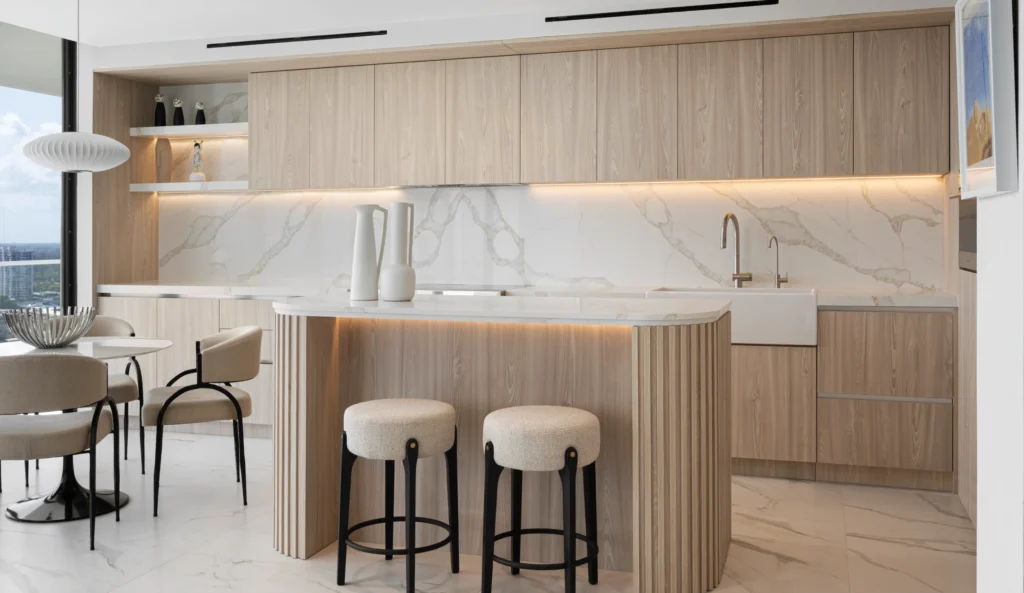
Functional lighting, sometimes called task lighting, is designed with purpose and precision. Its role is to support specific activities—reading, cooking, working, grooming—where clarity and focus are essential.
Desk lamps, under-cabinet lighting, bedside reading lights, and vanity fixtures all fall under functional lighting. Unlike ambient lighting, functional lighting is directional and deliberate, prioritizing performance over atmosphere.
The Cultural Shift Toward Layered Light
Historically, lighting schemes relied on a single dominant source—often a central ceiling fixture. Today, this approach feels outdated. Contemporary lighting design embraces layering, recognizing that spaces must adapt to multiple uses and emotional states.
Why Single-Layer Lighting No Longer Works
- Modern interiors serve multiple functions within the same footprint.
- Users expect flexibility between work, leisure, and social interaction.
- Architectural details deserve subtle illumination rather than uniform brightness.
Layered lighting allows designers to respond to these realities with nuance and sophistication.
Ambient Lighting as Architectural Atmosphere
When thoughtfully executed, ambient lighting becomes inseparable from architecture itself. It enhances volume, reveals texture, and reinforces spatial rhythm.
Defining Mood Through Light
Warm ambient lighting creates intimacy in residential settings, while cooler tones may suit galleries, offices, or contemporary hospitality spaces. The choice of color temperature, intensity, and distribution directly influences perception and well-being.
In luxury interiors, ambient lighting often highlights craftsmanship—natural stone, wood grain, plaster finishes—without drawing attention to the light source itself.
Common Ambient Lighting Techniques
- Indirect cove lighting to soften ceiling planes
- Wall grazing to emphasize texture
- Recessed fixtures with wide beam angles
These strategies allow ambient lighting to support architectural intent rather than compete with it.
Functional Lighting and the Precision of Use
While ambient lighting sets the stage, functional lighting ensures spaces perform. Its success lies in accuracy—correct placement, appropriate brightness, and glare control.
Designing for Human Activity
Functional lighting should respond to ergonomics and human behavior. A kitchen island, for example, requires focused illumination that avoids shadows, while a home office demands adjustable lighting to reduce eye fatigue.
Inadequate functional lighting undermines even the most elegant interiors, turning beauty into inconvenience.
Key Principles of Effective Functional Lighting
- Position light sources close to the task.
- Control glare through shielding and diffusers.
- Match light intensity to activity requirements.
Finding the Balance Between Ambient and Functional Lighting
The most compelling interiors emerge when ambient lighting and functional lighting are conceived as complementary rather than competing forces. Balance is not about equal presence, but about appropriate hierarchy.
Hierarchy and Visual Comfort
Ambient lighting should provide a comfortable baseline, while functional lighting introduces moments of emphasis. When task lighting overpowers ambient light, spaces feel clinical. When ambient lighting dominates without support, functionality suffers.
Achieving balance requires calibration—often through dimming systems that allow lighting design to adapt throughout the day.
Residential vs. Professional Contexts
In private residences, balance often leans toward atmosphere, with functional lighting discreetly integrated. In professional environments—offices, studios, hospitality—functional lighting may take precedence, supported by ambient layers that soften the overall experience.
Technology, Sustainability, and Intelligent Control
Advancements in lighting technology have transformed how ambient lighting and functional lighting interact. LED innovation allows for precision, longevity, and energy efficiency without compromising design integrity.
Smart Lighting Systems
Intelligent controls enable users to adjust lighting scenes based on time, activity, or mood. For high-end interiors, this flexibility is no longer a luxury—it is an expectation.
- Day-to-night transitions through automated dimming
- Scene presets for entertaining, working, or relaxing
- Reduced energy consumption through responsive systems
Sustainability as a Design Imperative
Thoughtful lighting design minimizes waste by using light only where and when it is needed. Balancing ambient lighting with functional lighting supports sustainability goals while enhancing user experience.
Lighting Design as a Marker of Sophisticated Living
For global design leaders and culturally attuned homeowners, lighting is an expression of values. It reflects an understanding that comfort, beauty, and intelligence are interconnected.
In luxury real estate, well-balanced lighting design increases perceived value, enhances spatial clarity, and signals architectural maturity. It is not about spectacle, but about restraint and coherence.
Toward a More Thoughtful Light
The conversation between ambient lighting and functional lighting is ultimately a conversation about how we live. When carefully balanced, these elements create interiors that respond gracefully to both emotion and purpose.
For architects, designers, and design-conscious individuals, mastering this balance is an act of authorship—shaping spaces that feel intuitive, refined, and enduring. In an era where light defines experience, thoughtful lighting design is not optional; it is essential.