Few typologies capture the essence of elegance quite like Parisian luxury apartments. Defined by their architectural heritage and refined interiors, these spaces offer a unique balance between history and contemporary design. For interior designers and architects, they represent a masterclass in proportion, materiality, and spatial layering. Beyond aesthetics, Parisian apartments embody a lifestyle rooted in culture, craftsmanship, and subtle sophistication. As a result, they continue to influence high-end residential design worldwide, offering valuable insights into how to create interiors that feel both timeless and deeply personal.
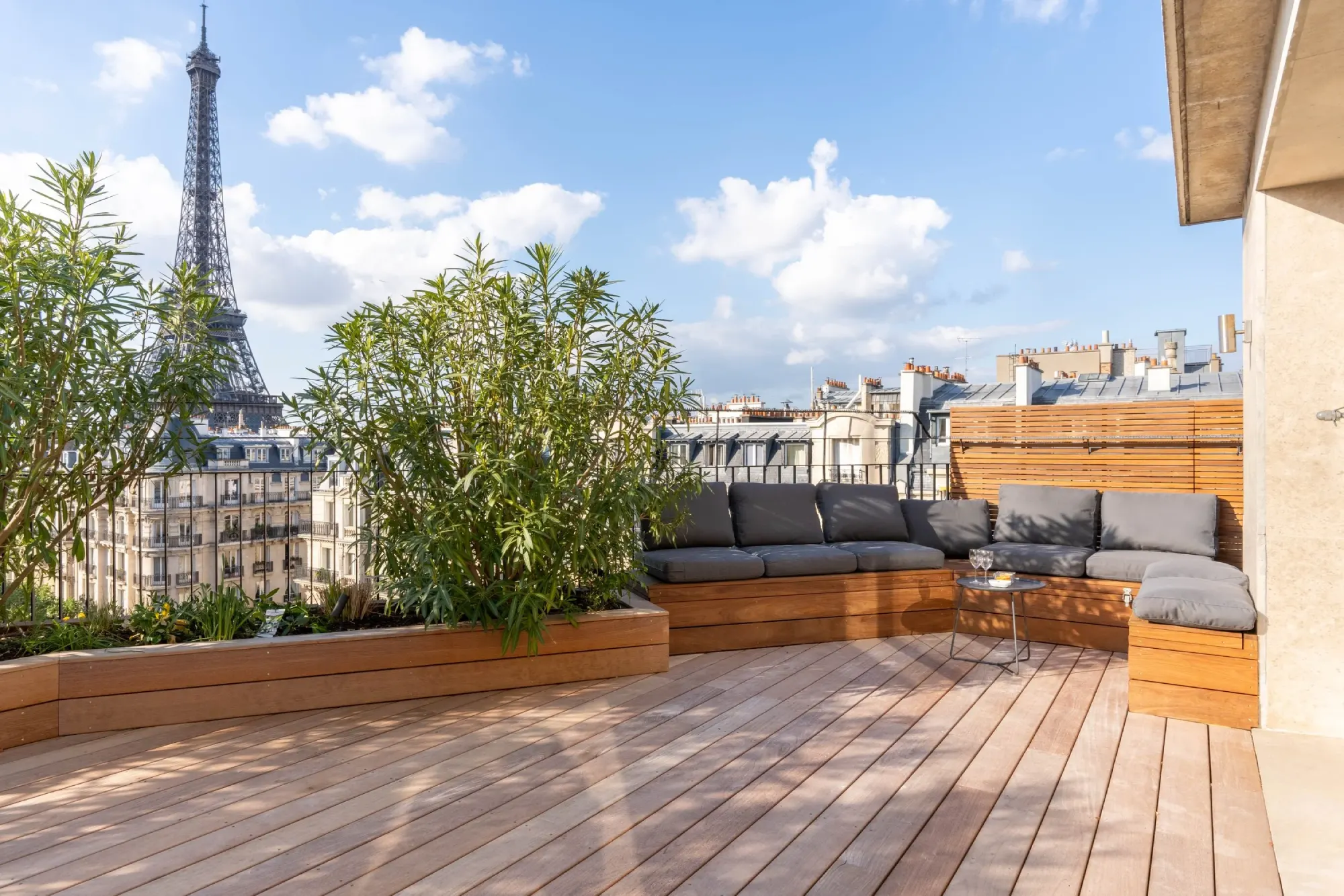
The Architectural Foundation of Parisian Apartments
The identity of Parisian luxury apartments is deeply tied to their architectural framework. Haussmannian buildings, with their grand proportions and classical detailing, provide the foundation for many of these interiors.
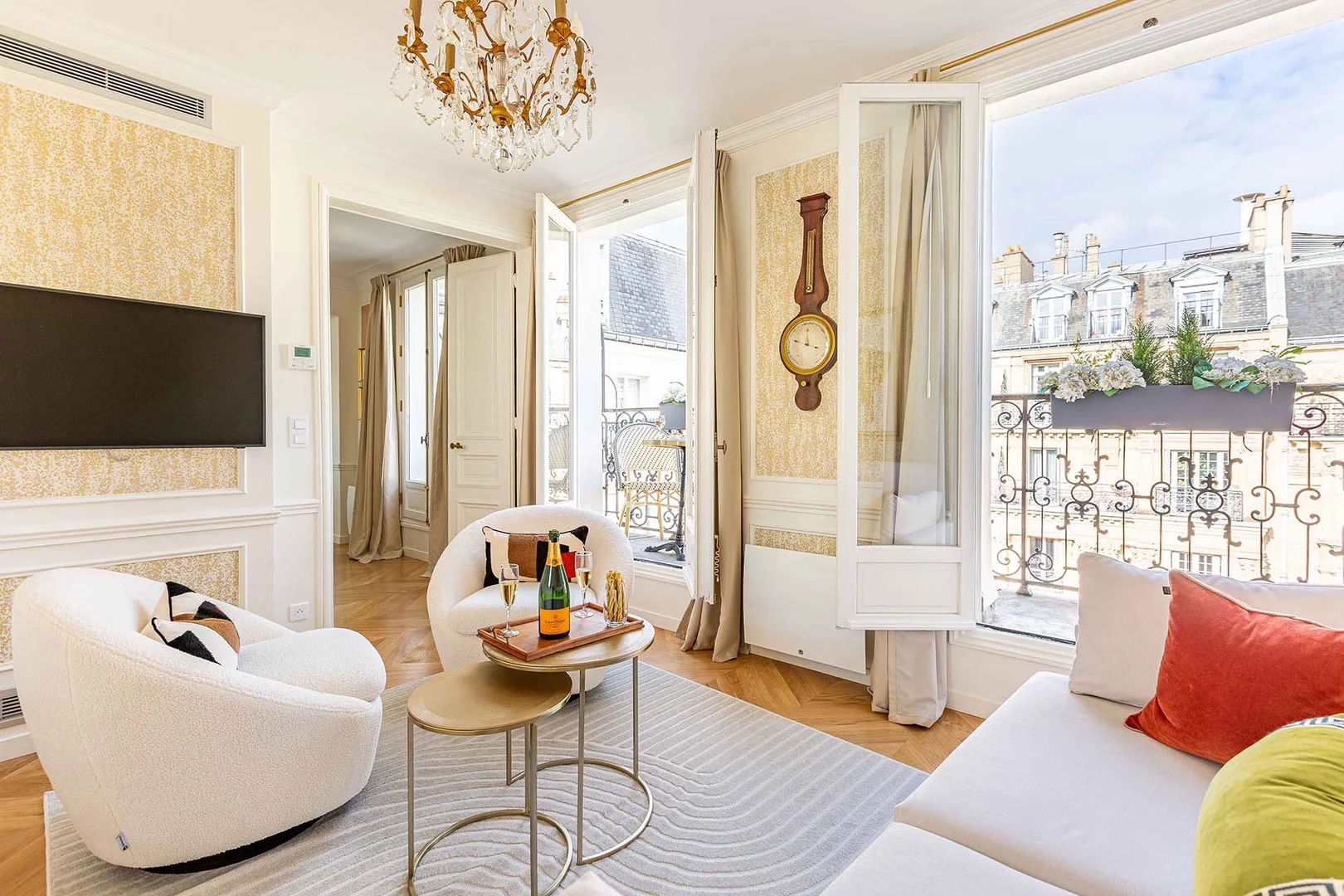
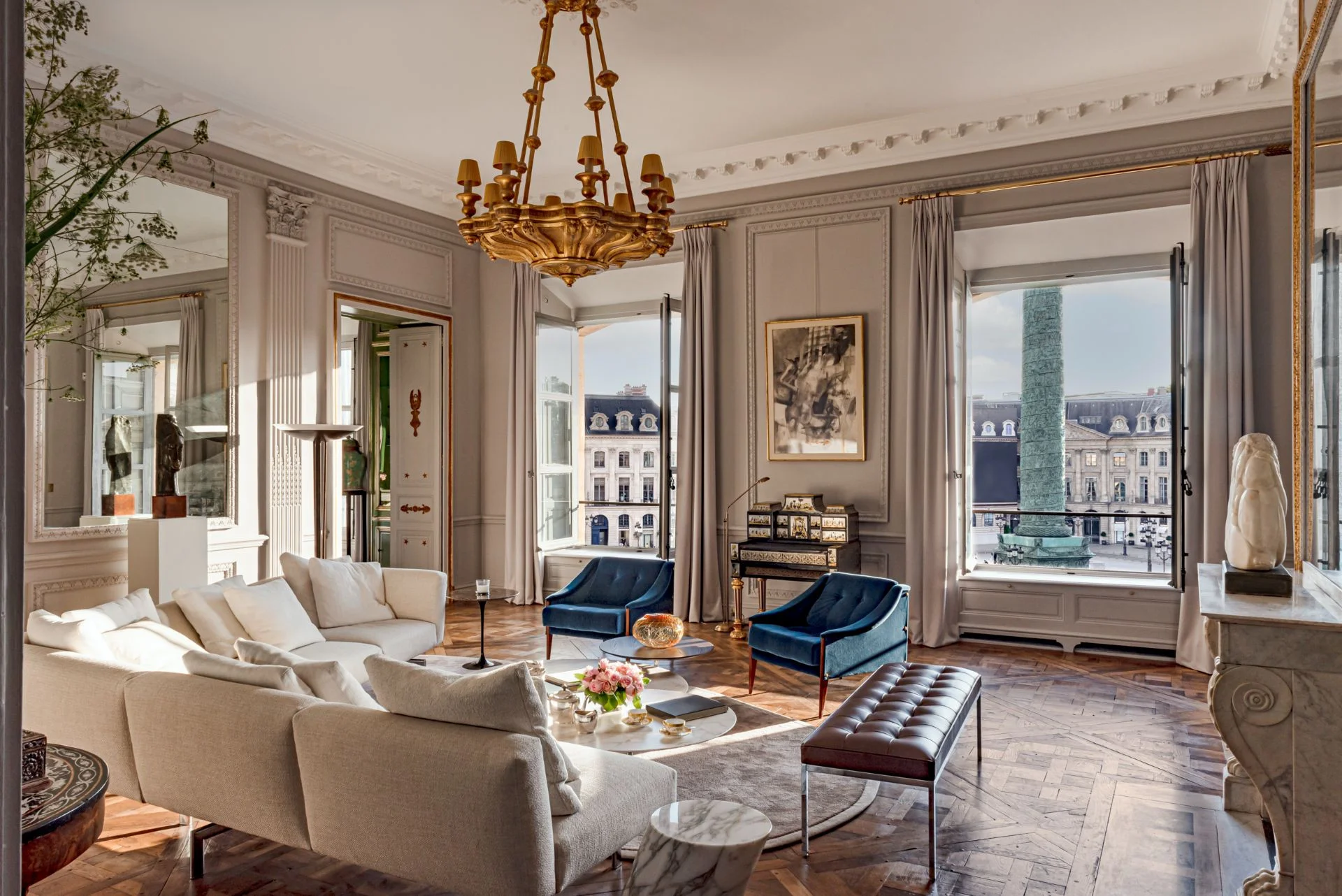
High ceilings, tall windows, and ornate moldings create a sense of scale and rhythm that defines the spatial experience. These architectural elements are not merely decorative but structural components that guide interior design decisions. Moreover, they establish a dialogue between past and present, allowing designers to introduce contemporary interventions while respecting the integrity of the original architecture.
Defining Features of Parisian Luxury Interiors
Parisian luxury apartments share a set of distinctive characteristics that shape their enduring appeal:
- Generous ceiling heights that enhance spatial volume
- Decorative moldings and paneling that add depth
- Herringbone wood flooring that introduces texture and pattern
- Large windows that maximize natural light
- Balanced proportions that create visual harmony
These features form the basis of a design language that feels both classic and adaptable, providing a strong framework for contemporary interpretation.
Balancing Heritage with Contemporary Design
One of the defining challenges in designing Parisian luxury apartments is achieving a balance between preservation and innovation. Designers must respect the historical context while introducing modern elements that enhance functionality and comfort.
This balance is often achieved through contrast. Minimalist furniture, contemporary lighting, and subtle material updates are layered onto traditional architectural backdrops. The result is a dialogue between old and new, where neither element dominates. Instead, they coexist in a way that feels intentional and harmonious, reinforcing the timeless quality of Parisian interiors.
Materiality and Craftsmanship
Materials play a central role in shaping the identity of Parisian luxury apartments. Designers typically focus on the following elements:
- Natural wood finishes that complement historic flooring
- Marble and stone surfaces that add refinement
- Plaster and painted paneling that enhance architectural detail
- High-quality textiles that introduce softness
- Metal accents that provide subtle contrast
Craftsmanship is equally important, ensuring that both original features and new interventions are executed with precision. This attention to detail elevates the overall design, creating interiors that feel cohesive and enduring.
Spatial Layout and Flow
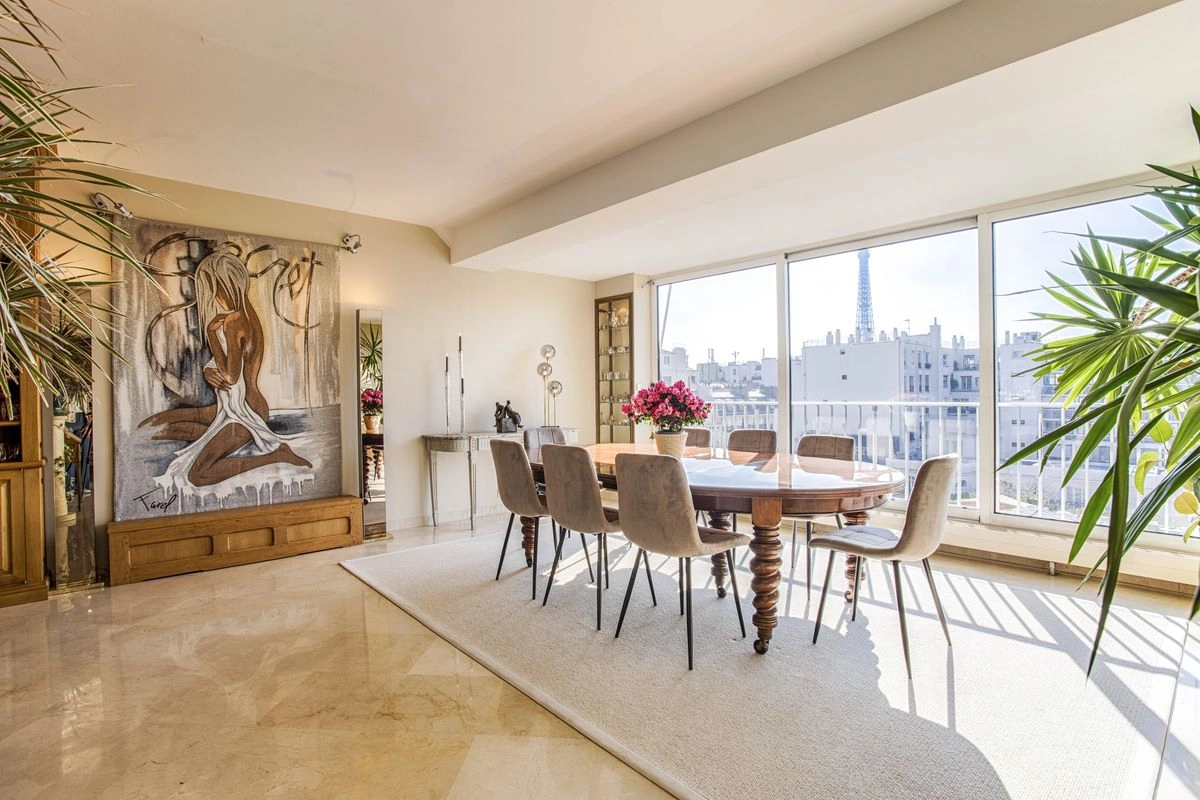
The layout of Parisian luxury apartments is characterized by a sequence of interconnected rooms rather than open-plan spaces. This arrangement creates a sense of progression and hierarchy within the home.
Rooms are often aligned along a central axis, allowing for visual continuity and natural flow. Double doors and enfilade layouts enhance this effect, creating long sightlines that emphasize depth. For designers, this structure offers opportunities to define distinct zones while maintaining a cohesive overall composition. The result is a spatial experience that feels both structured and fluid.
Furniture and Decorative Composition
Furniture selection in Parisian luxury apartments is carefully curated to complement the architectural setting:
- A mix of antique and contemporary pieces for contrast
- Sculptural furniture that adds visual interest
- Upholstered seating that enhances comfort
- Statement lighting that anchors the space
- Artworks that reflect personal taste and cultural context
This layered approach creates interiors that feel collected rather than staged, reinforcing the sense of authenticity that defines Parisian design.
Light as a Defining Element
Natural light is one of the most valuable assets in Parisian luxury apartments. Large windows allow daylight to flood interiors, highlighting architectural details and material textures.
Designers often enhance this effect by using light color palettes and reflective surfaces. Curtains and window treatments are kept minimal to preserve the quality of light. Additionally, artificial lighting is carefully integrated to complement natural illumination, ensuring that the atmosphere remains consistent throughout the day. This thoughtful approach to lighting enhances both the visual and emotional qualities of the space.
The Role of Color and Texture
Color and texture are used with restraint in Parisian luxury apartments, allowing architecture and materials to take precedence:
- Neutral tones such as whites, beiges, and soft greys
- Subtle contrasts that add depth without overpowering
- Layered textiles that introduce warmth
- Natural finishes that enhance authenticity
- Occasional bold accents to create focal points
This approach ensures that interiors remain balanced and cohesive, where each element contributes to a unified design language.
Modern Interventions in Historic Spaces
While Parisian luxury apartments are rooted in tradition, modern interventions are essential for contemporary living. These updates must be carefully integrated to preserve the character of the space.
Common strategies include:
- Concealed storage solutions that maintain clean lines
- Updated kitchens and bathrooms with modern materials
- Integrated technology that remains visually discreet
- Flexible furniture arrangements for multifunctional use
- Subtle architectural modifications that improve flow
These interventions allow apartments to meet modern expectations while retaining their historical charm.
The Enduring Appeal of Parisian Luxury Apartments
The lasting appeal of Parisian luxury apartments lies in their ability to combine elegance, functionality, and cultural depth. They offer a unique model for luxury living, where design is both expressive and restrained.
For interior designers and architects, these spaces provide valuable lessons in proportion, materiality, and spatial composition. Their influence extends far beyond Paris, shaping global trends in high-end residential design. By studying their principles, designers can create interiors that feel timeless, sophisticated, and deeply connected to their context.
Conclusion
Parisian luxury apartments remain a benchmark for refined interior design, offering a seamless blend of heritage and modernity. Through careful attention to architecture, materials, and spatial flow, they create environments that are both elegant and livable.
For design professionals, they represent an enduring source of inspiration. As the demand for timeless and meaningful interiors continues to grow, the principles embodied by Parisian luxury apartments will remain central to the evolution of luxury residential design worldwide.
Why Nolita Harbour
Nolita Harbour aligns seamlessly with the refined aesthetic of Parisian luxury apartments, particularly in transitional spaces such as balconies, terraces, and winter gardens. Their collections emphasize clean lines, neutral palettes, and material integrity, complementing the architectural elegance and understated interiors typical of Parisian design. By extending the same level of sophistication outdoors, Nolita Harbour allows designers to maintain continuity between interior and exterior environments, reinforcing a cohesive and elevated residential experience.