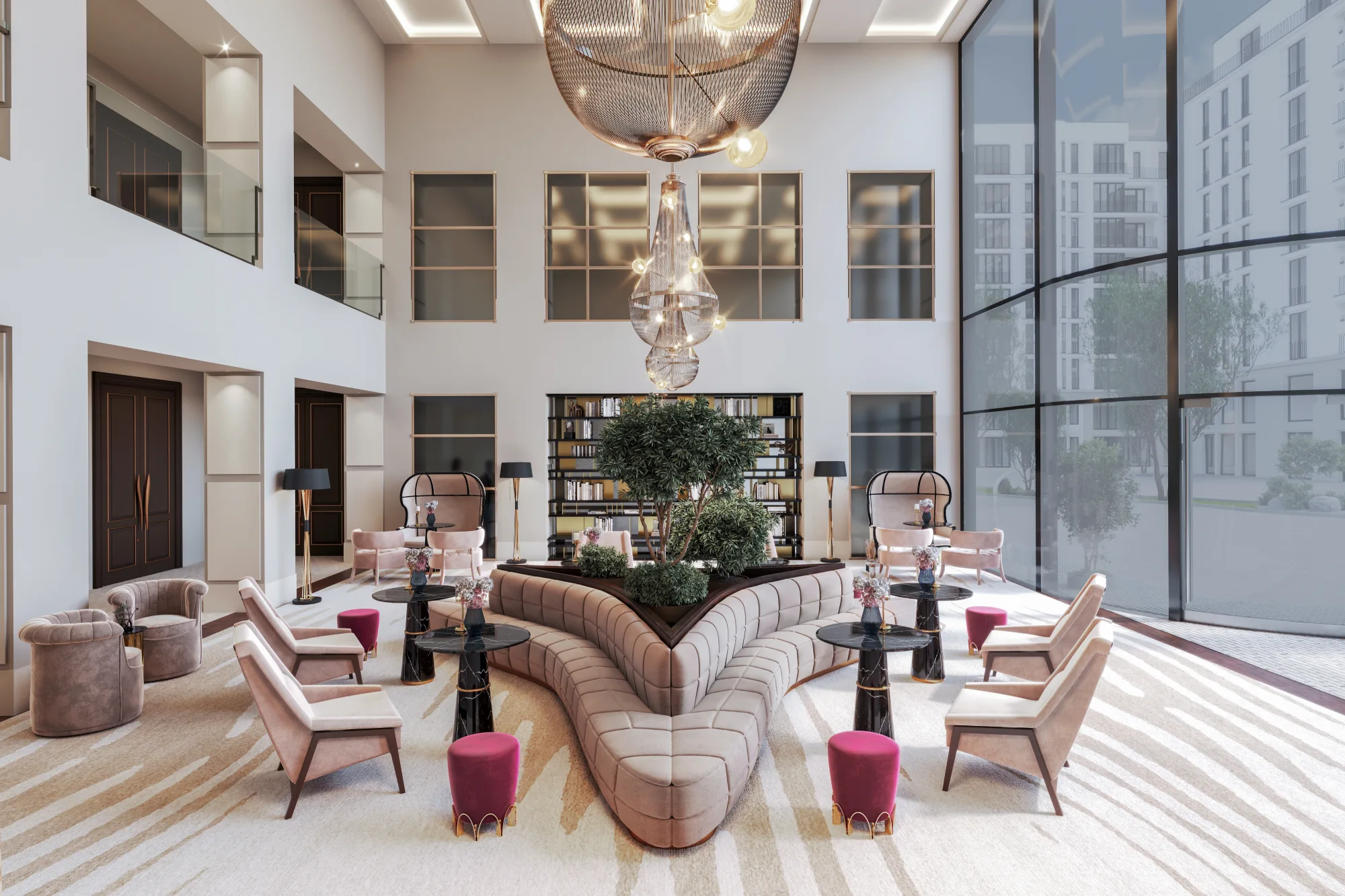
Luxury hotels are among the most influential environments shaping global interior design. These spaces merge architecture, craftsmanship, and branding into immersive experiences that go far beyond accommodation.
For interior designers and architects, luxury hotels function as testing grounds for new materials, spatial concepts, and storytelling strategies. From heritage restorations to contemporary minimalism, each project demonstrates how interiors can communicate identity and elevate user experience. Studying these environments offers valuable insight into how to design residential and hospitality spaces that balance aesthetics, function, and emotional impact.
What Defines Exceptional Luxury Hotel Design
Design-driven luxury hotels typically share several defining characteristics:
- Strong narrative rooted in location or brand identity
- Seamless integration of architecture and interior design
- Use of bespoke furniture and custom detailing
- Premium materials such as marble, wood, and fine textiles
- Emphasis on lighting as a spatial and emotional tool
- Inclusion of wellness, technology, and lifestyle amenities
These elements transform hotels into experiential environments, offering inspiration for high-end residential and commercial projects.
1. Burj Al Arab, Dubai: Iconic Opulence
The Burj Al Arab in Dubai stands as one of the most recognizable luxury hotels in the world. Designed to resemble a sail, the hotel represents architectural ambition and interior extravagance.
Its interiors are characterized by bold color palettes, dramatic vertical spaces, and extensive use of gold finishes. The design embraces theatricality, creating a visually immersive environment that leaves a lasting impression. For designers, the Burj Al Arab demonstrates how strong identity and bold material choices can define a globally recognized luxury brand.
Interior Design Highlights of Burj Al Arab
Key elements that define this iconic hotel include:
- Grand atrium spaces emphasizing vertical scale
- Extensive use of gold leaf and reflective surfaces
- Vibrant color palettes with rich contrasts
- Custom-designed furniture and decorative features
- Marble surfaces and intricate detailing
- Statement lighting enhancing spatial drama
These features illustrate how luxury hotels can push the boundaries of visual expression.
2. Aman Tokyo: Minimalist Luxury Redefined
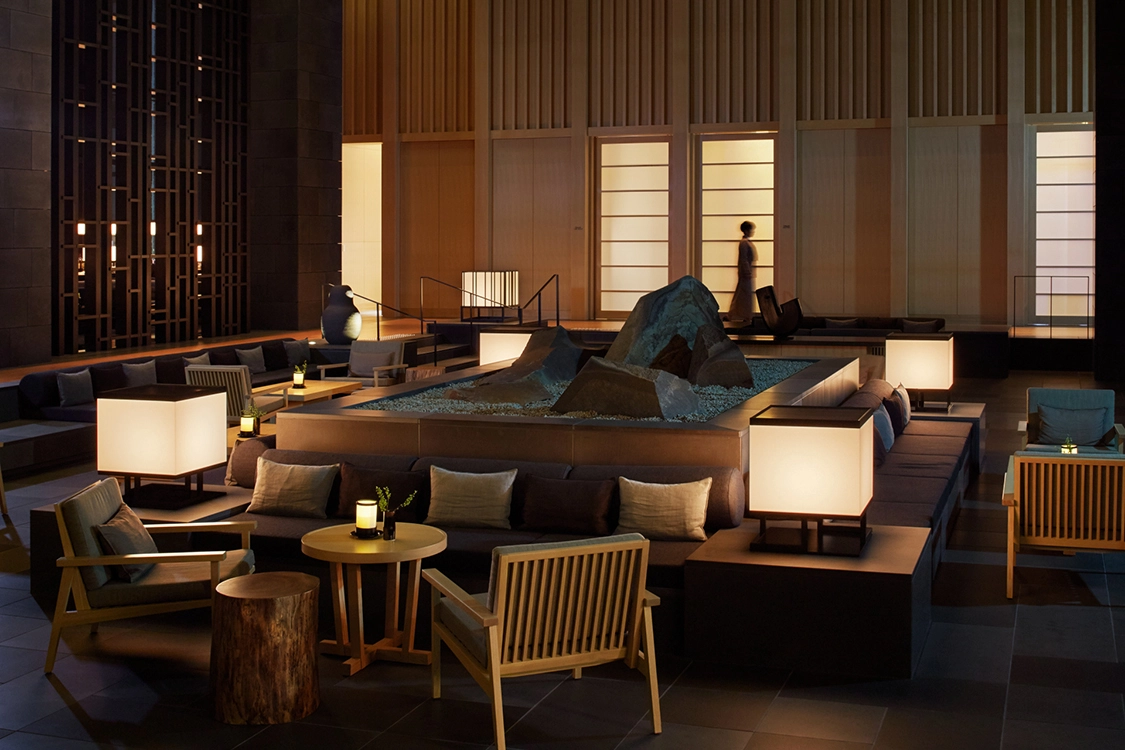
In contrast to opulent interiors, Aman Tokyo represents a refined and minimalist approach to luxury hotels. Located within a high-rise urban context, the hotel draws inspiration from traditional Japanese architecture.
The design emphasizes calm, balance, and the use of natural materials. Large open spaces, soft lighting, and neutral palettes create a tranquil environment. This approach demonstrates that luxury does not rely on excess but can be achieved through restraint, proportion, and attention to detail—an essential lesson for contemporary residential interiors.
Design Principles at Aman Tokyo
Interior designers can learn from the following elements:
- Emphasis on negative space and spatial clarity
- Natural materials such as wood, stone, and paper
- Minimalist furniture with precise detailing
- Soft, diffused lighting enhancing atmosphere
- Seamless connection between interior and exterior
- Calm, neutral color palettes
These strategies highlight a more understated interpretation of luxury hotels.
3. The Ritz Paris: Timeless Heritage Design
The Ritz Paris remains a benchmark for classic European elegance among luxury hotels. Its interiors reflect a deep respect for history, combining ornate detailing with modern comfort.
Each room and suite is carefully curated with antique furnishings, rich textiles, and refined decorative elements. Renovations have preserved the building’s historic identity while integrating contemporary systems. For interior designers, the Ritz Paris exemplifies how heritage spaces can remain relevant through careful restoration and sensitive design updates.
Signature Features of The Ritz Paris
Design professionals often study this hotel for its timeless qualities:
- Ornate moldings and classical architectural detailing
- Antique and custom-designed furniture
- Luxurious fabrics such as silk and velvet
- Marble fireplaces and traditional finishes
- Soft, elegant color palettes
- Integration of modern amenities within historic interiors
These features reinforce the enduring appeal of traditional luxury design.
4. The Peninsula Tokyo: Cultural Fusion and Innovation
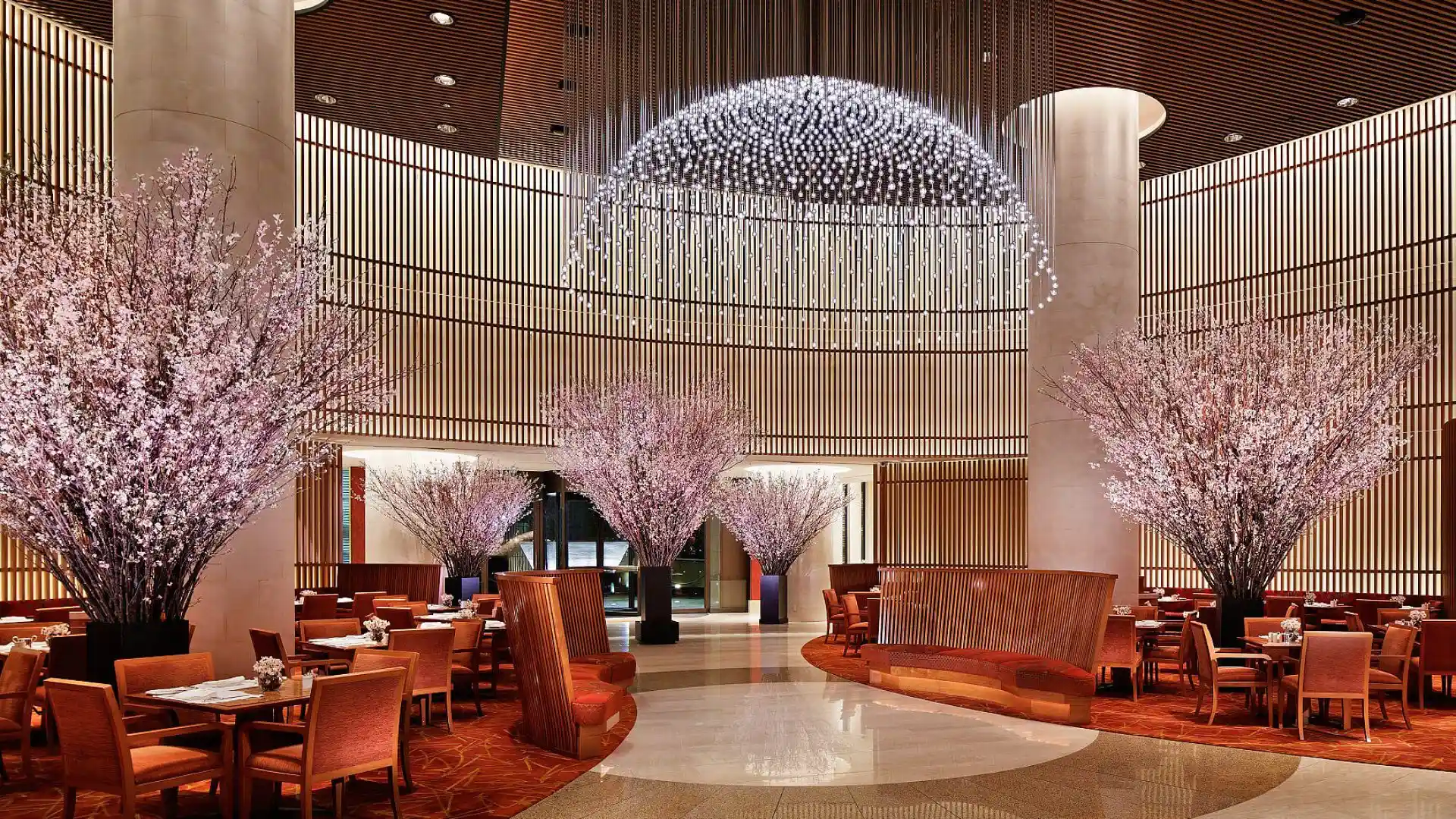
The Peninsula Tokyo is a leading example of how luxury hotels can blend international design with local cultural identity. The interiors successfully balance global sophistication with Japanese-inspired aesthetics, creating spaces that feel both contemporary and contextually grounded.
Designers have carefully incorporated subtle cultural references rather than overt symbolism. This allows the hotel to appeal to an international audience while maintaining a strong sense of place. For architects and designers, this project demonstrates how cultural nuance can elevate interior environments without compromising universal luxury standards.
Interior Features of The Peninsula Tokyo
Key design elements include:
- Fusion of contemporary design with Japanese influences
- High-quality materials and refined finishes
- Spacious layouts emphasizing comfort and flow
- Advanced technology integrated into rooms
- Elegant lighting enhancing architectural features
- Wellness-focused spaces including spa facilities
These features demonstrate how cultural identity can enhance luxury hotels.
5. Island Shangri-La, Hong Kong: Vertical Luxury Living
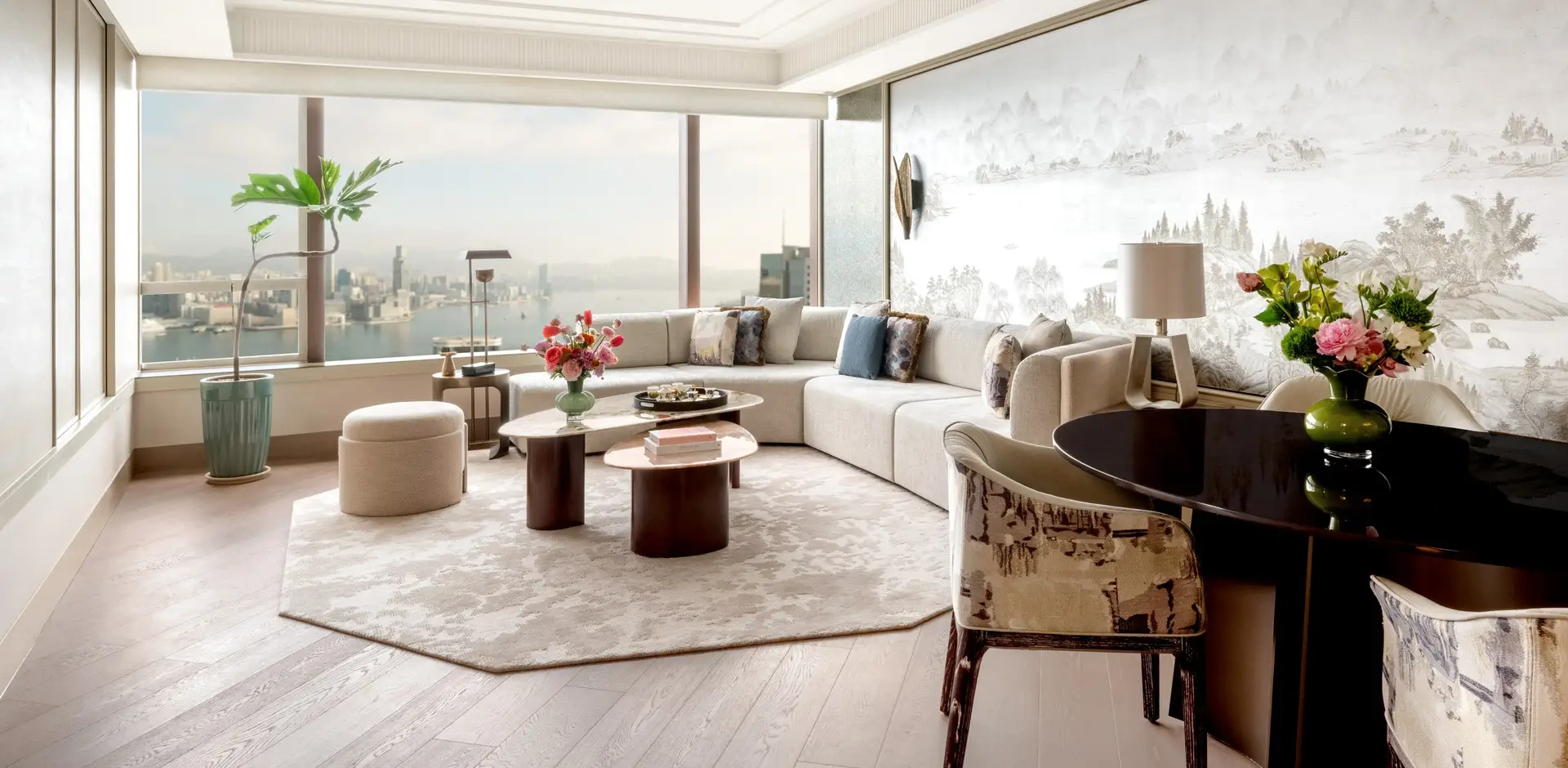
The Island Shangri-La, Hong Kong offers a unique perspective on luxury hotels within a high-rise urban environment. Designed as a vertical luxury destination, the hotel transforms a skyscraper into a layered interior experience.
Its interiors emphasize grandeur through scale, decorative richness, and carefully curated details. Large windows frame city views, while interior elements create a sense of intimacy within expansive spaces. For designers, the project highlights how vertical architecture can be softened and humanized through thoughtful interior design strategies.
Key Design Elements of Island Shangri-La
Interior designers can draw inspiration from:
- Use of chandeliers and decorative lighting features
- Integration of large-scale artworks and installations
- High-rise spatial planning maximizing views
- Rich materials such as carpets and polished surfaces
- Multiple dining and social environments
- Seamless connection to surrounding urban context
These elements highlight how luxury hotels can redefine urban living.
The Importance of Materiality in Luxury Hospitality
Material selection plays a critical role in defining the identity of luxury hotels. Across all five case studies, materials are used not only for durability but also for storytelling and sensory engagement.
From marble and gold in Dubai to natural wood and stone in Tokyo, each material palette reflects a specific cultural and design philosophy. Designers must carefully consider how textures, finishes, and colors interact within a space. The thoughtful use of materials enhances both visual appeal and tactile experience, reinforcing the emotional connection between guests and interiors.
Materials Commonly Used in Luxury Hotels
Across global projects, designers frequently incorporate:
- Natural stone such as marble and granite
- Fine woods with custom finishes
- High-end textiles including silk, velvet, and wool
- Metallic accents in brass, gold, or bronze
- Glass elements enhancing transparency and light
- Handcrafted decorative surfaces
These materials contribute to the sensory richness that defines luxury hotels.
Lighting as a Defining Design Element
Lighting design is one of the most powerful tools in shaping luxury hotels. Beyond functionality, lighting creates mood, highlights architectural features, and enhances spatial perception.
In projects like the Burj Al Arab and Island Shangri-La, dramatic lighting reinforces grandeur, while in Aman Tokyo, soft illumination creates calm and intimacy. For interior designers, understanding how to layer ambient, task, and accent lighting is essential. Lighting design must be integrated early in the project to ensure that it complements both architecture and interior detailing.
Common Lighting Strategies in Luxury Hotels
Designers often rely on the following lighting approaches:
- Layered lighting combining ambient, task, and accent sources
- Statement fixtures acting as focal points
- Hidden lighting integrated into architectural elements
- Adjustable lighting systems for different moods
- Use of natural light as a primary design feature
- Warm color temperatures enhancing comfort
These strategies elevate the spatial experience in luxury hotels.
Spatial Planning and Guest Experience
Successful luxury hotels are defined not only by aesthetics but also by how spaces function and flow. Spatial planning plays a critical role in shaping guest experience, from arrival sequences to private accommodations.
Designers must consider circulation, privacy, and transitions between public and private areas. Open layouts, intuitive navigation, and carefully positioned focal points enhance usability while maintaining visual coherence. Each of the featured hotels demonstrates how thoughtful spatial planning can transform interiors into seamless, user-centered environments.
Conclusion: Luxury Hotels as Design Inspiration
The world’s most iconic luxury hotels continue to influence how interior designers approach spatial storytelling, material selection, and user experience. From the bold opulence of Dubai to the minimalist serenity of Tokyo and the historic elegance of Paris, each project offers unique lessons.
For architects and luxury design studios, these hotels serve as living benchmarks—demonstrating how design can elevate both functionality and emotional impact. By studying these environments, professionals can create interiors that are not only visually compelling but also deeply experiential and culturally meaningful.